If you're researching advanced anti-aging ingredients, you've likely encountered copper peptides—specifically GHK-Cu—touted as one of the most powerful regenerative compounds available in skincare. But with decades of research and countless products on the market, it can be hard to separate fact from hype.
This comprehensive guide will explain everything you need to know about copper peptides: what they are, how they work, what the clinical research actually shows, and how to use them effectively for maximum anti-aging benefits.
What Are Copper Peptides?
Copper peptides, scientifically known as GHK-Cu (glycyl-L-histidyl-L-lysine-copper), are naturally occurring compounds found in human blood plasma, saliva, and urine. They're made up of three amino acids (a tripeptide) bound to a copper ion, forming a stable complex that delivers multiple regenerative benefits to skin.
The Discovery and Evolution
GHK-Cu was first discovered in human blood plasma in the 1970s by Dr. Loren Pickart, who noticed that serum from younger individuals had stronger healing properties than serum from older individuals. Further research identified GHK-Cu as a key factor, with levels declining dramatically with age:
- Age 20: Approximately 200 ng/ml in plasma
- Age 60: Approximately 80 ng/ml in plasma
This 60% decline correlates directly with visible signs of skin aging, making copper peptide supplementation a logical strategy for maintaining youthful skin function.
How GHK-Cu Works: Multiple Mechanisms of Action
Unlike single-action ingredients, copper peptides affect multiple cellular processes simultaneously:
1. Collagen and Elastin Stimulation GHK-Cu activates fibroblast cells, signaling them to produce more Type I, II, and III collagen, as well as elastin. The copper ion acts as a cofactor for lysyl oxidase and lysyl hydroxylase—enzymes essential for proper collagen cross-linking and structural stability.
2. Wound Healing and Tissue Repair GHK-Cu accelerates wound closure, promotes angiogenesis (new blood vessel formation), and enhances cell migration to injury sites. This makes it valuable not only for anti-aging but also for post-procedure healing.
3. Anti-Inflammatory Action Copper peptides reduce inflammatory markers including IL-6 and IL-2, decrease histamine activity, and modulate leukotriene production. This makes GHK-Cu beneficial for inflammatory skin conditions like rosacea, acne, and eczema.
4. Antioxidant Protection The copper-peptide complex exhibits antioxidant properties, helping neutralize free radicals and protect skin from oxidative stress that accelerates aging.
5. Gene Expression Modulation Perhaps most remarkably, research shows GHK-Cu influences over 4,000 genes, many involved in tissue repair and regeneration. Studies suggest it can "reset" aged skin cells to express genes more similar to younger cells—essentially providing a form of genetic reprogramming.
6. Matrix Metalloproteinase (MMP) Regulation GHK-Cu modulates MMPs—enzymes that break down collagen. It increases MMP expression at low concentrations (to clear damaged collagen) while promoting TIMP (tissue inhibitors of metalloproteinases) to protect healthy collagen. This dual action ensures proper collagen remodeling rather than just accumulation or degradation.
Clinical Evidence: What the Research Shows
Copper peptides are among the most extensively researched skincare ingredients, with over four decades of studies demonstrating their effectiveness.
Key Clinical Studies
Study 1: Comparison with Vitamin C and Retinoic Acid In a landmark study examining collagen production in thigh skin after one month of treatment:
- GHK-Cu: Increased collagen in 70% of women treated
- Vitamin C cream: Increased collagen in 50% of women
- Retinoic acid: Increased collagen in 40% of women
This study established GHK-Cu as more effective than two gold-standard anti-aging ingredients for collagen stimulation.
Study 2: Facial Rejuvenation A 12-week study of 71 women with mild to advanced photoaging using GHK-Cu facial cream showed:
- Improved skin laxity, clarity, and firmness
- Reduced fine lines and wrinkle depth
- Increased skin density and thickness
- Strongly stimulated dermal keratinocyte proliferation
Study 3: Eye Area Treatment A study of 41 women with mild to advanced photodamage using GHK-Cu eye cream for 12 weeks found:
- 55% reduction in periorbital wrinkles
- Significantly better results than placebo
- Superior performance compared to vitamin K cream
- 70% of participants reported improved firmness and clarity
Study 4: Collagen and Elastin Production Laboratory studies using human dermal fibroblasts incubated with GHK-Cu at 0.01, 1, and 100 nM showed:
- All concentrations increased both collagen and elastin production
- Optimal effects at 1 nM (ultra-low concentration)
- Increased gene expression of key matrix proteins
- Enhanced ratio of TIMPs to MMPs (protecting existing collagen)
Study 5: Skin Thickness and Hydration A pilot study on copper tripeptide topicals for aged skin demonstrated:
- Increased skin thickness in epidermis and dermis
- Improved skin hydration
- Boosted collagen synthesis
- Increased skin elasticity
Real-World Results: What to Expect
Based on clinical evidence and extensive user experience, here's what GHK-Cu can realistically deliver:
Visible Improvements:
- 30-70% increase in collagen production (depending on baseline and concentration)
- 40-55% reduction in wrinkle depth after 12 weeks
- Improved skin firmness and elasticity
- Enhanced skin thickness and density
- Better hydration and barrier function
- More even skin tone and reduced pigmentation
- Accelerated healing from procedures or injuries
- Reduced inflammation and redness
Timeline:
- Weeks 1-2: Improved healing, reduced inflammation, better hydration
- Weeks 3-4: Enhanced skin texture, subtle plumping
- Weeks 6-8: Visible reduction in fine lines, improved firmness
- Weeks 10-12: Significant wrinkle reduction, enhanced skin quality
- 3-6 months: Maximum collagen-building benefits, continued improvement
Understanding Concentration: How Much GHK-Cu Do You Need?
One of the most interesting aspects of copper peptide research is that more isn't necessarily better. In fact, GHK-Cu often exhibits optimal effects at surprisingly low concentrations.
The Concentration Paradox
Research shows an inverse dose-response relationship:
- Very low concentrations (0.01-1 nM): Optimal collagen stimulation
- Moderate concentrations (1-100 nM): Good effects, slightly diminished
- High concentrations (>100 nM): Potentially reduced efficacy
This occurs because at higher concentrations, copper peptides increase both MMP production (collagen breakdown) and collagen synthesis. The key is finding the "sweet spot" where collagen building outpaces breakdown.
Recommended Concentrations for Topical Use
Effective Range: 0.5-3% GHK-Cu in topical formulations
Why This Range:
- Sufficient penetration through stratum corneum (approximately 30% penetrates after 2 hours)
- Reaches target fibroblast cells in dermis
- Maintains optimal cellular concentration after penetration
- Well-tolerated without irritation
How to Check Your Product: Look for "Copper Tripeptide-1" or "GHK-Cu" in the first third of the ingredient list. Products listing copper peptides toward the end of ingredients likely don't contain effective concentrations.
Choosing a Quality Copper Peptide Product
Not all copper peptide products are created equal. Here's what distinguishes effective formulations from ineffective ones:
Key Quality Factors
1. Proper Copper-Peptide Complex
- Must be GHK bound to copper (GHK-Cu or Copper Tripeptide-1)
- Not just copper salts or unbound peptides
- Should appear as blue-colored solution (indicates proper copper chelation)
2. pH Optimization
- Optimal pH: 5.0-7.5
- Too acidic (<4.0) can destabilize the complex
- Too alkaline (>8.0) reduces effectiveness
- Slightly acidic to neutral is ideal
3. Packaging
- Opaque bottles (copper peptides are light-sensitive)
- Airless pumps or tubes (minimize oxidation)
- Avoid clear glass jars (light and air exposure degrade peptides)
4. Supporting Ingredients
- Hyaluronic acid: Enhances penetration and hydration
- Antioxidants: Protect copper peptides from oxidation (vitamin E, ferulic acid)
- Peptide blends: Complementary peptides for enhanced results
- Avoid high alcohol: Can destabilize formulation
5. Formulation Stability
- Should remain blue/blue-green color
- Clear or slightly opalescent (not cloudy)
- No separation or precipitation
- Minimal to no metallic smell (strong metallic odor indicates degradation)
Recommended Product
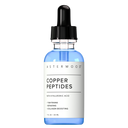
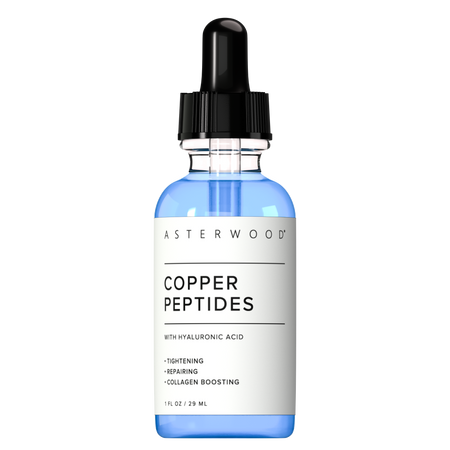
The Asterwood Copper Peptides Serum features an optimized concentration of GHK-Cu with hyaluronic acid in a stable, pH-balanced formula designed for maximum effectiveness and skin penetration.
How to Use Copper Peptides in Your Routine
Copper peptides are versatile but require some strategic planning for optimal results.
Basic Application Protocol
Morning Routine:
- Cleanse with gentle, pH-balanced cleanser
- Apply copper peptide serum to damp skin (3-5 drops)
- Wait 2-3 minutes for full absorption
- Follow with antioxidant serum (vitamin C, if using—see notes below)
- Moisturize
- Apply SPF 30+ (essential!)
Evening Routine:
- Double cleanse
- Apply copper peptide serum to damp skin
- Wait 2-3 minutes
- Apply other treatments (retinol on alternate nights if using)
- Moisturize with richer night cream
- Don't forget neck and décolletage
Copper Peptide + Other Ingredients: Compatibility Guide
SAFE AND SYNERGISTIC:
Hyaluronic Acid: Excellent combination. HA enhances copper peptide penetration and provides complementary plumping. Use together or in sequence.
Niacinamide: Compatible and complementary. Both reduce inflammation and support barrier function. Apply copper peptides first, then niacinamide.
Ceramides: Beneficial combination. Ceramides support barrier while copper peptides rebuild structure. Use copper peptides, then ceramide-rich moisturizer.
Alpha Arbutin: Compatible for pigmentation concerns. Both address uneven tone through different mechanisms.
Peptides (Non-Copper): Generally compatible. Matrixyl 3000, argireline, and other peptides work well with copper peptides. For best results, use copper peptides at night, other peptides morning and night.
USE WITH CAUTION:
Vitamin C (Ascorbic Acid): This is controversial. Some experts say they're incompatible because both are oxidation-prone; others say they're fine when properly formulated. Best practice: Use at different times of day (copper peptides evening, vitamin C morning) or wait 10-15 minutes between application.
Retinol/Retinoids: Can be used together but introduce slowly. Use copper peptides morning and evening, add retinol at night 2-3 times per week. Wait 10-15 minutes after copper peptides before applying retinol. Both stimulate collagen through different pathways for enhanced results.
Strong Acids (AHAs/BHAs): Low pH from acids can temporarily reduce copper peptide effectiveness. If using both, apply acids first, wait 10-15 minutes, then apply copper peptides. Or use acids in morning, copper peptides morning and evening.
AVOID OR SEPARATE:
Direct Acids at Very Low pH (<3.0): Can destabilize copper-peptide complex. Wait 15-20 minutes after low-pH products before applying copper peptides.
Benzoyl Peroxide: May oxidize copper peptides. Use at different times of day or on different days entirely.
Post-Procedure Use: Accelerating Healing
One of copper peptides' most valuable applications is accelerating healing after aesthetic procedures.
Ideal for Post-Procedure Recovery
Microneedling:
- Apply 24-48 hours after procedure (once skin has closed)
- Accelerates collagen remodeling process
- Reduces redness and inflammation
- Enhances final results
Chemical Peels:
- Use after flaking/peeling is complete
- Speeds healing and reduces downtime
- Enhances collagen stimulation from peel
- Reduces post-inflammatory hyperpigmentation risk
Laser Treatments:
- Begin use once skin has completely healed (typically 3-7 days post-treatment)
- Supports collagen remodeling
- Reduces inflammation and redness
- May enhance treatment results
Dermaplaning:
- Can use immediately after procedure
- Penetration is enhanced by removal of dead cells
- Provides anti-inflammatory benefits
- Supports skin barrier recovery
Always follow your provider's specific post-care instructions. If in doubt, wait until skin has completely healed before introducing copper peptides.
The "Copper Uglies" Phenomenon: Fact or Fiction?
Some users report experiencing "copper uglies"—a temporary worsening of skin appearance when starting copper peptides, including increased lines, sagging, or dullness.
What's Really Happening?
This phenomenon is controversial and not well-studied, but theories include:
1. MMP Upregulation Theory At certain concentrations, copper peptides increase MMP-1 expression (collagen-degrading enzyme). If this temporarily outpaces collagen synthesis, you might see transient worsening before improvement.
2. Purging Theory Increased cell turnover might cause temporary textural changes as damaged cells are cleared and replaced.
3. Dehydration Theory Some formulations may temporarily affect skin's moisture balance, causing temporary appearance changes.
4. Psychological Theory Increased scrutiny of skin when starting new products may make you notice issues you hadn't focused on before.
How to Minimize Risk
- Start Low and Slow: Begin with 2-3 times per week, gradually increase to daily
- Patch Test: Test on inner arm for 48 hours before facial application
- Monitor Closely: Take before photos; track changes objectively
- Support Barrier: Use plenty of hydrating and barrier-supporting products
- Check Concentration: Ensure product has appropriate concentration (0.5-3%)
- Be Patient: Give 6-8 weeks before deciding if product works for you
The Reality
"Copper uglies" are relatively rare. Most users tolerate copper peptides very well with gradual improvement over time. If you experience persistent worsening beyond 2-3 weeks, the product may not be right for you, or the concentration may be too high.
Copper Peptides for Specific Skin Concerns
While copper peptides are powerful for general anti-aging, they're particularly effective for certain specific concerns.
For Acne-Prone Skin
Benefits:
- Anti-inflammatory properties reduce redness and swelling
- Antimicrobial effects help control bacteria
- Accelerates healing of active breakouts
- Reduces post-acne marks and scarring
- Supports barrier repair
How to Use:
- Apply to clean skin before other acne treatments
- Pair with salicylic acid or benzoyl peroxide (at different times)
- Use morning and evening for inflammation control
For Rosacea and Sensitive Skin
Benefits:
- Reduces inflammation and redness
- Strengthens compromised barrier
- Provides antioxidant protection
- Generally well-tolerated even by reactive skin
How to Use:
- Start with 2-3 times weekly, increase gradually
- Pair with soothing, barrier-supporting ingredients
- Avoid mixing with other potentially irritating actives initially
For Post-Inflammatory Hyperpigmentation (PIH)
Benefits:
- Accelerates skin turnover and healing
- Reduces inflammation that triggers pigmentation
- Evens skin tone over time
- Supports barrier to prevent new PIH formation
How to Use:
- Use consistently morning and evening
- Pair with other brightening ingredients (niacinamide, alpha arbutin)
- Always use SPF to prevent worsening
For Mature Skin (50+)
Benefits:
- Addresses the natural decline in GHK-Cu levels with age
- Stimulates collagen and elastin production
- Improves skin thickness and density
- Enhances firmness and reduces sagging
- Provides comprehensive anti-aging benefits
How to Use:
- Use twice daily as cornerstone of routine
- Combine with other anti-aging ingredients (peptides, retinol)
- Be consistent for at least 12 weeks for maximum benefits
For Post-Sun Damage and Photoaging
Benefits:
- Repairs sun-damaged collagen
- Reduces photodamage signs (wrinkles, texture, tone)
- Provides antioxidant protection against further damage
- Improves overall skin quality
How to Use:
- Essential to pair with daily SPF 50+
- Use morning and evening
- Consider combining with vitamin C for enhanced photoprotection
Copper Peptides vs. Other Anti-Aging Ingredients
How do copper peptides compare to other popular anti-aging treatments?
Copper Peptides vs. Retinol
Retinol:
- Mechanism: Increases cell turnover, stimulates collagen via retinoic acid receptors
- Strengths: Strong evidence, multiple benefits, well-studied
- Drawbacks: Can cause irritation, requires sun protection, contraindicated in pregnancy
Copper Peptides:
- Mechanism: Stimulates collagen via matrikine signaling, modulates MMPs
- Strengths: Gentle, anti-inflammatory, supports healing, well-tolerated
- Drawbacks: Slower results, requires consistency, can be expensive
Best Use: Use both! Copper peptides morning and evening, retinol at night 2-3 times weekly. They stimulate collagen through different pathways for enhanced results without increased irritation.
Copper Peptides vs. Vitamin C
Vitamin C:
- Mechanism: Antioxidant, cofactor for collagen synthesis, brightening
- Strengths: Photoprotection, brightening, well-researched
- Drawbacks: Unstable, can oxidize, requires low pH
Copper Peptides:
- Mechanism: Direct collagen signaling, gene expression modulation
- Strengths: Stable, multi-functional, healing properties
- Drawbacks: Can interact with vitamin C if not properly formulated
Best Use: Use at different times of day (vitamin C morning for photoprotection, copper peptides morning and evening for collagen building). Or use vitamin C every other day with copper peptides daily.
Copper Peptides vs. Other Peptides (Matrixyl, Argireline)
Other Peptides:
- Matrixyl 3000: Collagen-stimulating via matrikine signaling
- Argireline: Muscle-relaxing for expression lines
- Strengths: Targeted, specific benefits, well-tolerated
Copper Peptides:
- Broader mechanism of action
- Multiple cellular targets
- More comprehensive benefits
- Higher cost per unit
Best Use: Layer or alternate. Use copper peptides at night, other peptides morning and night. Or use copper peptides daily, other peptides on alternating days. Many users find copper peptides + Matrixyl + argireline to be the ultimate peptide trifecta.
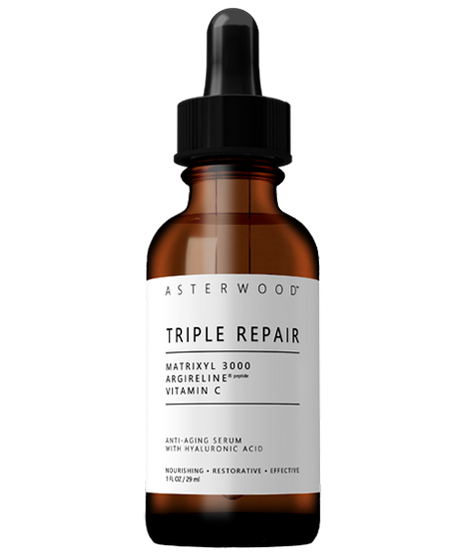
The Asterwood Triple Repair Serum can be used alongside the Copper Peptides Serum for comprehensive peptide benefits.
Safety, Side Effects, and Contraindications
Excellent Safety Profile
Copper peptides have been used in skincare and wound healing for over 40 years with an excellent safety record.
Clinical Safety Data:
- Well-tolerated in studies spanning decades
- Minimal reported adverse effects
- No long-term safety concerns
- Safe for most skin types
Potential Side Effects (Rare)
Possible but Uncommon:
- Mild irritation or redness (especially when first starting)
- Temporary increase in breakouts (usually resolves within 1-2 weeks)
- "Copper uglies" (temporary worsening of appearance—rare)
- Tingling sensation upon application
How to Minimize:
- Start with 2-3 times weekly application
- Gradually increase to daily use over 2-3 weeks
- Patch test before full facial application
- Ensure adequate hydration and barrier support
Who Should Avoid or Use Caution
Avoid if you have:
- Known copper allergy or sensitivity
- Wilson's disease (copper metabolism disorder)
- Active skin infections or open wounds
- Extremely sensitized or compromised skin barrier
Use with Caution if you have:
- Very sensitive skin (introduce slowly)
- Active inflammatory skin conditions (consult dermatologist)
- History of contact dermatitis
Pregnancy and Breastfeeding
There is limited data on topical copper peptide use during pregnancy and breastfeeding. While topical absorption is minimal, it's generally recommended to:
- Consult your healthcare provider before use
- Consider waiting until after breastfeeding
- Focus on basics (cleanser, moisturizer, SPF) during pregnancy
Many women successfully resume copper peptide use after breastfeeding without issues.
The Bottom Line: Are Copper Peptides Worth It?
After reviewing four decades of research, clinical studies, and real-world results, copper peptides (GHK-Cu) stand out as one of the most scientifically validated anti-aging ingredients available.
Copper peptides are worth it if you:
- Want comprehensive anti-aging with multiple mechanisms of action
- Are looking for a gentler alternative or complement to retinol
- Have inflammatory skin concerns (acne, rosacea, sensitivity)
- Need accelerated healing after procedures
- Want to address the natural decline in GHK-Cu with age
- Are committed to consistent long-term use
- Prefer science-backed ingredients with decades of research
Consider alternatives if you:
- Want the absolute fastest results (retinol may be faster)
- Are on a very tight budget (copper peptides can be pricey)
- Prefer single-mechanism ingredients
- Have had adverse reactions to copper peptides in the past
Final Thoughts
Copper peptides represent one of the most sophisticated approaches to anti-aging skincare. Their ability to influence thousands of genes, stimulate collagen production, reduce inflammation, accelerate healing, and provide antioxidant protection makes them uniquely valuable—especially as we age and natural GHK-Cu levels decline.
While they may not provide overnight transformation, clinical studies consistently show 40-70% improvements in wrinkles, firmness, and overall skin quality with 12 weeks of use. When combined with other anti-aging strategies—peptides, retinol, vitamin C, SPF—copper peptides become an essential component of a comprehensive approach to maintaining youthful, healthy skin.
The key is consistency, patience, and proper formulation. Give copper peptides at least 12 weeks of twice-daily use, ensure you're using an effective product, and support your routine with barrier-protecting and hydrating ingredients. Your skin's collagen production—and your future appearance—will benefit.
Frequently Asked Questions
How long does it take for copper peptides to work? Initial improvements in inflammation and healing may appear within 1-2 weeks. Visible improvements in wrinkles, firmness, and skin quality typically become apparent after 6-8 weeks, with maximum benefits at 12-16 weeks of consistent use.
Can I use copper peptides with vitamin C? This is debated among experts. For safety, use them at different times of day (vitamin C morning, copper peptides evening) or wait 10-15 minutes between application. Some well-formulated products successfully combine both.
Are copper peptides safe for daily use? Yes, copper peptides are designed for twice-daily use and are generally very well tolerated. Start with 2-3 times weekly and gradually increase to daily if your skin responds well.
What percentage of copper peptides is effective? Topical formulations typically contain 0.5-3% GHK-Cu. Look for "Copper Tripeptide-1" in the first third of the ingredient list. Research suggests even lower concentrations (nanomolar) can be effective once they penetrate the skin.
Can copper peptides cause skin to age faster? No. While some users report temporary "copper uglies," properly formulated copper peptides do not accelerate aging. Clinical studies consistently show anti-aging benefits with long-term use.
Do copper peptides work for hair growth? While this guide focuses on skin benefits, research does suggest GHK-Cu may support hair growth through improved follicle health and circulation. However, dedicated hair growth treatments may be more effective for this specific concern.
Can I use copper peptides after microneedling? Yes, copper peptides are excellent after microneedling, but wait 24-48 hours until skin has sealed. They accelerate healing and may enhance collagen-building results from the treatment.
Shop Copper Peptide Products
Experience the regenerative power of copper peptides:
Featured Product:
- Copper Peptides Serum - Optimized GHK-Cu concentration with hyaluronic acid for maximum effectiveness
Complementary Products:
- Triple Repair Serum - Pair with other peptides for comprehensive anti-aging
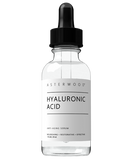
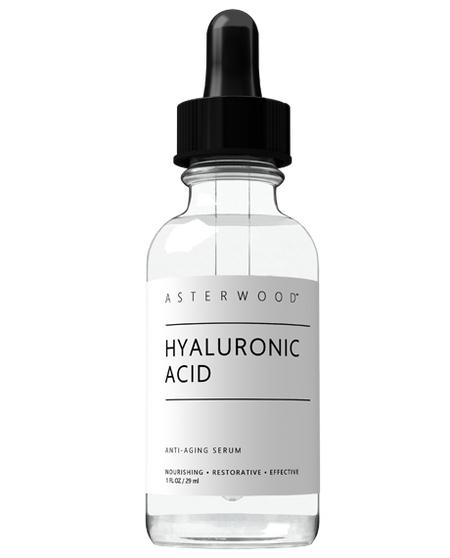
- Hyaluronic Acid Serum - Enhances copper peptide penetration
- Triple Ceramide Barrier Serum - Supports skin barrier during active treatment
All Asterwood products are formulated with clinically-effective concentrations of active ingredients, free from parabens, sulfates, and unnecessary fillers.