Two of the most respected anti-aging ingredients in skincare have very different approaches to the same goal: younger-looking skin. Retinol, the time-tested vitamin A derivative, works by accelerating cell turnover. Matrixyl 3000, a next-generation peptide complex, works by signaling your skin to produce more collagen from within.
So which one deserves a spot in your routine? The answer isn’t as simple as picking a winner. It depends on your skin type, your tolerance for adjustment periods, and what specific results you’re after. Let’s compare them side by side.
What Is Matrixyl 3000?
Matrixyl 3000 is a patented peptide complex developed by Sederma that combines two powerful matrikines: Palmitoyl Tripeptide-1 and Palmitoyl Tetrapeptide-7. These peptides act as signaling molecules — they communicate with your skin cells to increase the production of collagen, elastin, and hyaluronic acid.
Palmitoyl Tripeptide-1 (Pal-GHK) is actually a fragment of Type I collagen. When your body detects this fragment in the skin, it interprets it as a signal that collagen has been broken down and needs to be rebuilt. It’s an elegant mechanism: the peptide tricks your skin into ramping up its own repair processes.
Palmitoyl Tetrapeptide-7 addresses the other side of the equation by reducing chronic, low-grade inflammation (sometimes called “inflammaging”) that accelerates visible aging. Together, these two peptides deliver a dual-action anti-aging effect: more collagen production and less inflammatory damage.
What Is Retinol?
Retinol is a form of vitamin A and one of the most studied anti-aging ingredients in dermatology. When applied to skin, retinol is converted through a multi-step process into retinoic acid, which then binds to receptors in skin cells to accelerate cell turnover, boost collagen synthesis, and inhibit collagen breakdown.
The result is smoother skin texture, reduced fine lines, faded hyperpigmentation, and thicker dermis over time. Retinol also has well-documented benefits for acne-prone skin, which makes it a versatile active across multiple skin concerns.
The trade-off? Retinol comes with an adjustment period. Most users experience some degree of dryness, flaking, redness, or sensitivity during the first 2–4 weeks (sometimes longer). This is normal — called “retinization” — but it’s enough to make retinol impractical for people with sensitive skin, compromised barriers, or certain skin conditions like rosacea.
Head-to-Head Comparison
|
Feature |
Matrixyl 3000 |
Retinol |
|
How It Works |
Peptide signaling → boosts collagen, elastin, HA production from within |
Vitamin A conversion → accelerates cell turnover + collagen synthesis |
|
Wrinkle Reduction |
Clinically shown to reduce wrinkle depth up to 68% over 6 months |
Decades of research confirming wrinkle reduction; gold standard |
|
Irritation Risk |
Very low. No adjustment period needed. Safe for sensitive skin |
Moderate to high. Expect 2–4 weeks of dryness, peeling, redness |
|
Sun Sensitivity |
None. Safe for AM and PM use |
Increases photosensitivity. PM use only; SPF is essential |
|
Skin Types |
All types, including sensitive, reactive, and compromised barriers |
Normal to oily preferred. Sensitive skin may struggle |
|
Speed of Results |
Gradual. Best results at 8–12+ weeks of consistent use |
Faster surface changes (4–8 weeks) but adjustment period slows initial benefit |
|
Pregnancy Safe? |
Generally considered safe (consult your doctor) |
Not recommended during pregnancy or breastfeeding |
|
Anti-Inflammatory |
Yes — Pal-Tetrapeptide-7 actively reduces inflammaging |
No — can temporarily increase inflammation during adjustment |
|
Acne Benefits |
Minimal direct acne benefits |
Strong. Retinol is proven for acne treatment |
|
Best Used |
AM or PM. Layers well with most actives |
PM only. Requires careful layering to avoid irritation |
In a notable four-month clinical study, Matrixyl 3000 matched retinol’s wrinkle-reducing results while being significantly better tolerated. Another study documented an 18% decrease in wrinkle depth after just 28 days of Matrixyl use.
Who Should Choose Matrixyl 3000?
Matrixyl 3000 is the better choice if:
• You have sensitive skin that reacts to retinol (redness, peeling, irritation)
• You want anti-aging benefits without an adjustment period
• You’re pregnant or breastfeeding and need a safe alternative
• You’re new to active ingredients and want a gentle entry point
• Your primary concern is collagen loss, firmness, and fine lines rather than texture or pigmentation
Who Should Choose Retinol?
Retinol may be the better choice if:
• Your skin tolerates active ingredients well and you can commit to the adjustment period
• You need to address multiple concerns: wrinkles, sun damage, texture, and hyperpigmentation
• You have acne-prone skin (retinol has strong anti-acne evidence)
• You want faster visible surface-level changes
Can You Use Matrixyl 3000 and Retinol Together?
Yes — and in fact, they make an excellent pairing. Because they work through completely different mechanisms (peptide signaling vs. vitamin A receptor activation), they complement rather than compete with each other.
Here’s a simple way to incorporate both:
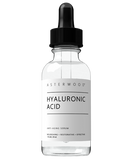
• Morning: Matrixyl 3000 serum + Hyaluronic Acid + SPF
• Evening: Retinol (2–3 nights/week to start) + Moisturizer
On non-retinol nights, you can use Matrixyl 3000 in the PM as well — doubling your peptide exposure while giving your skin recovery nights between retinol sessions.
Matrixyl 3000 can actually help buffer some of retinol’s irritation by boosting the skin’s structural proteins and reducing inflammation. Think of it as the supportive foundation that makes retinol work better.
Why Asterwood Pairs Matrixyl 3000 with Argireline
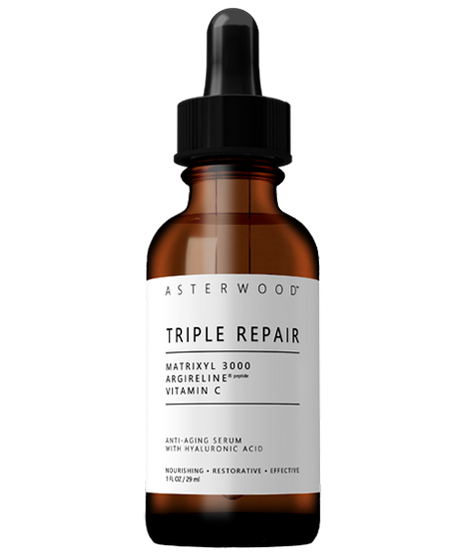
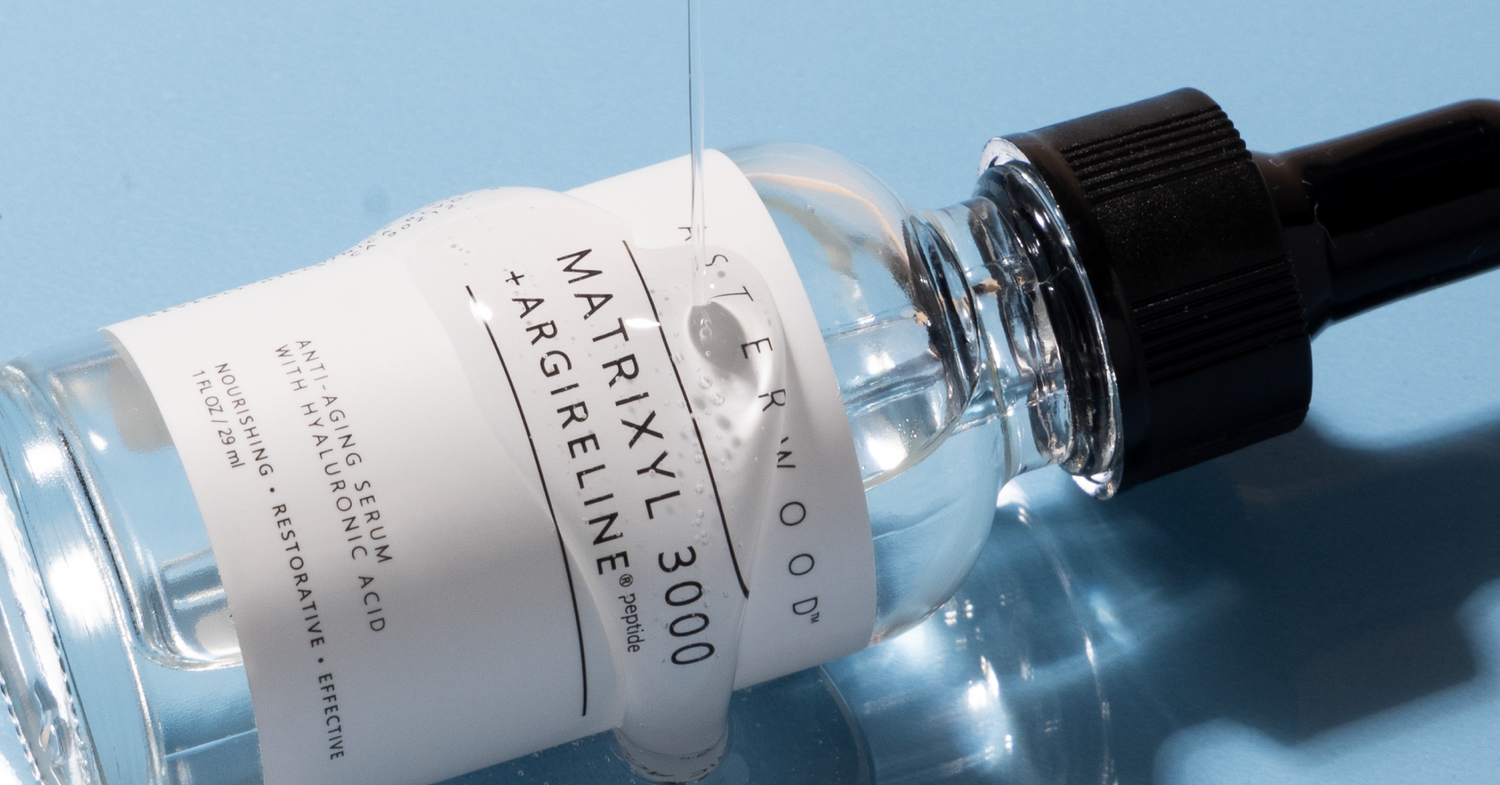
Our Matrixyl 3000 + Argireline Collagen Super-Serum combines Matrixyl 3000 with a third peptide: Argireline (Acetyl Hexapeptide-8). This creates a triple peptide formula that attacks wrinkles from multiple angles:
• Matrixyl 3000 stimulates collagen and elastin production (building structural support)
• Argireline relaxes facial muscles that cause expression lines (addressing the mechanical cause)
• Together, they deliver both preventive and restorative anti-aging benefits in a single serum
This is why we call it a “better together” formula — each peptide does something the others can’t, and the combined effect is greater than any individual ingredient. At $23.99, it’s three clinical-strength peptides in one clean formula.
The Bottom Line
Neither Matrixyl 3000 nor retinol is universally “better.” They’re different tools designed for different skin needs:
• Matrixyl 3000 builds collagen gently and consistently, with zero irritation. It’s the smarter choice for most people, especially those with sensitive skin or anyone who wants results without an adjustment phase.
• Retinol delivers faster surface-level transformation and addresses a wider range of concerns, but requires tolerance and careful use.
The best approach for many people? Use both. The science supports combining peptides with retinoids for a more complete anti-aging strategy. Start with Matrixyl 3000 daily, add retinol gradually, and let both ingredients work for you.
Ready to try Matrixyl 3000? Our Matrixyl 3000 + Argireline Collagen Super-Serum delivers triple peptide power in one clean formula. Pair with Hyaluronic Acid Serum for the ultimate anti-aging stack.