If you've been researching non-invasive alternatives to Botox, you've likely come across argireline—a peptide that's earned the nickname "Botox in a bottle." But does this topical treatment actually work, or is it just clever marketing? In this comprehensive guide, we'll explore the science behind argireline, how it works to reduce wrinkles, and what realistic results you can expect from this popular anti-aging ingredient.
What Is Argireline?
Argireline, scientifically known as acetyl hexapeptide-8 (formerly acetyl hexapeptide-3), is a synthetic peptide composed of six amino acids. Developed by the Spanish biotechnology company Lipotec in the early 2000s, argireline was specifically designed to mimic some of the wrinkle-reducing effects of Botox without requiring injections.
Unlike Botox, which must be injected directly into muscles, argireline is applied topically to the skin's surface. This fundamental difference makes it accessible, non-invasive, and significantly less expensive than professional injectable treatments.
How Argireline Works: The Science Behind Muscle Relaxation
To understand how argireline works, it helps to know what causes expression lines in the first place. Dynamic wrinkles—like crow's feet, forehead lines, and the "11s" between your brows—form from repetitive facial muscle contractions. Every time you smile, frown, or squint, your facial muscles contract, and over time, these movements etch lines into your skin.
The Mechanism of Action
Argireline works by interfering with the neurotransmitter release that causes facial muscle contractions. Specifically, it targets a protein complex called SNAP-25, which is essential for neurotransmitter release at the neuromuscular junction. When you apply argireline topically, it competes with SNAP-25, partially inhibiting the release of acetylcholine—the neurotransmitter that signals muscles to contract.
This process is similar to how Botox works, but with a crucial difference: Botox is injected directly into muscles and completely blocks neurotransmitter release, while argireline is applied topically and produces a much gentler, temporary effect. Think of it as the difference between hitting the brakes hard (Botox) versus gently easing off the gas pedal (argireline).
Clinical Evidence: What the Research Shows
Multiple clinical studies have evaluated argireline's effectiveness in reducing wrinkles, and the results are promising—though more modest than injectable treatments.
Key Research Findings
A landmark study published in the International Journal of Cosmetic Science found that a 10% argireline formulation reduced wrinkle depth by up to 30% after four weeks of twice-daily application. The peptide was deemed a "biosafe alternative" to botulinum toxins, with no reported toxicity.
In another double-blind, placebo-controlled study involving 60 participants with wrinkles around the eyes, researchers found that argireline reduced wrinkles in 48.9% of subjects after four weeks of twice-daily use, compared to zero improvement in the placebo group.
A study published in Cosmetics journal (2024) noted that argireline can achieve up to a 52% reduction in wrinkle depth within four weeks with consistent use, though results vary significantly based on formulation quality and concentration.
What Results Can You Realistically Expect?
Based on the clinical evidence, here's what argireline can—and cannot—do:
What Argireline CAN Do:
- Reduce the appearance of fine lines and expression wrinkles by 30-50% with consistent use over 4-8 weeks
- Provide temporary muscle relaxation that softens dynamic wrinkles
- Smooth skin texture and improve overall appearance
- Offer a non-invasive maintenance option between Botox treatments
- Prevent new wrinkles from forming when used preventatively
What Argireline CANNOT Do:
- Completely eliminate deep, etched wrinkles
- Match the dramatic, immediate results of Botox injections
- "Freeze" muscles or prevent all facial movement
- Produce permanent results (effects are temporary and cumulative with continued use)
Argireline vs. Botox: An Honest Comparison
While argireline is often called "Botox in a bottle," it's important to set realistic expectations.
Similarities:
- Both target neurotransmitter release to reduce muscle contractions
- Both work on dynamic wrinkles caused by facial expressions
- Both inhibit the SNAP-25 protein complex
- Both are considered safe when used as directed
Key Differences:
| Feature | Argireline | Botox |
|---|---|---|
| Application | Topical (applied to skin surface) | Injectable (directly into muscle) |
| Onset | 2-4 weeks for visible results | 3-7 days for visible results |
| Potency | Mild to moderate (30-50% improvement) | Strong (up to 80% wrinkle reduction) |
| Duration | Temporary (requires daily use) | 3-4 months per treatment |
| Cost | $20-60 per bottle (1-3 month supply) | $300-600 per treatment area |
| Side Effects | Minimal (rare mild irritation) | Possible bruising, headache, temporary drooping |
| Skin Penetration | Limited (must penetrate skin barrier) | Direct (injected into target muscle) |
Argireline works best for people with mild to moderate fine lines who want a preventative approach or maintenance between professional treatments. For deeply etched wrinkles or those seeking dramatic transformation, Botox remains more effective.
Using Argireline and Matrixyl 3000 Together: The Ultimate Peptide Pairing
One of the most powerful anti-aging strategies is combining argireline with Matrixyl 3000, another peptide that stimulates collagen production. This combination addresses aging from two angles: argireline relaxes muscles to prevent wrinkle formation, while Matrixyl 3000 rebuilds the skin's structural support from within.
Why This Combination Works
Argireline targets dynamic wrinkles (caused by muscle movement), while Matrixyl 3000 targets static wrinkles (caused by collagen loss and structural breakdown). Together, they provide comprehensive anti-aging benefits:
- Argireline: Reduces muscle contractions → Prevents new wrinkles from forming
- Matrixyl 3000: Stimulates collagen synthesis → Fills in existing wrinkles from within
Clinical studies have shown that Matrixyl 3000 can reduce wrinkle depth by 45% after two months of use, and when combined with argireline, users often report accelerated visible improvements in skin firmness and smoothness.
How to Use Them Together
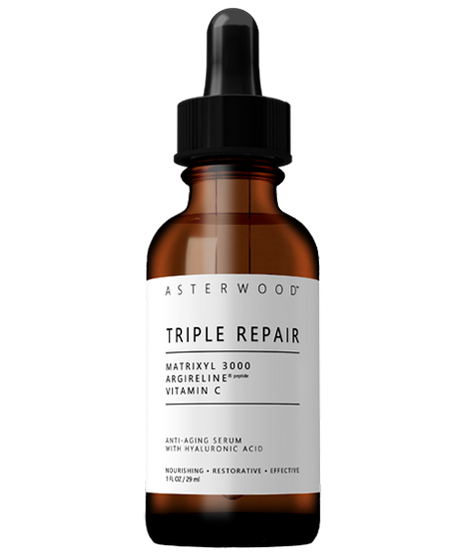
The Asterwood Triple Repair Serum combines both argireline and Matrixyl 3000 peptides with vitamin C and hyaluronic acid in one formula, eliminating the guesswork of layering multiple products. If you're using separate products, apply both peptides in the same routine—they're compatible and enhance each other's benefits.
Application Order:
- Cleanse your face thoroughly
- Apply peptide serum (argireline and/or Matrixyl 3000) to damp skin
- Allow to absorb for 1-2 minutes
- Follow with moisturizer to seal in the benefits
For best results, use twice daily (morning and evening) consistently for at least 4-8 weeks before evaluating effectiveness.
Who Should Use Argireline?
Argireline is ideal for:
- Preventative care: People in their late 20s and early 30s noticing the first signs of expression lines
- Maintenance: Those who get Botox but want to extend results between treatments
- Needle-phobic individuals: Anyone who wants wrinkle reduction without injections
- Sensitive skin: People who cannot tolerate stronger anti-aging ingredients like retinol
- Pregnant or breastfeeding women: Those avoiding Botox due to safety concerns (though always consult your healthcare provider first)
How to Choose a Quality Argireline Product
Not all argireline products are created equal. Here's what to look for:
Key Factors:
1. Concentration: Look for products with 5-10% argireline concentration. Higher isn't always better—concentrations above 10% don't necessarily provide better results and may increase irritation risk.
2. Formulation Quality: Argireline should appear early in the ingredient list (typically within the first 5 ingredients). Check that the product uses the proper INCI name: Acetyl Hexapeptide-8.
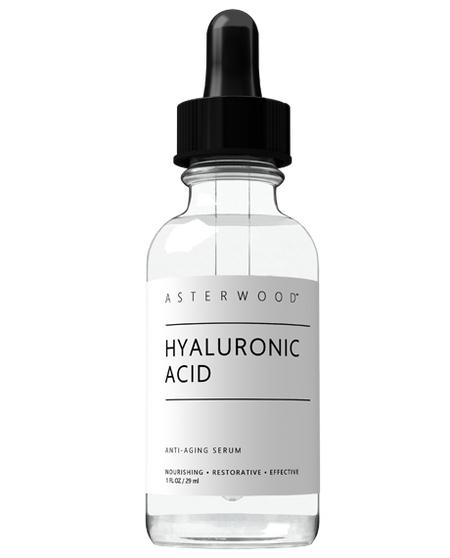
3. Supporting Ingredients: The best formulations include hydrating ingredients like hyaluronic acid to enhance penetration and comfort. Avoid products with alcohol high on the ingredient list, as it can destabilize peptides.
4. pH Balance: Argireline works best at a slightly acidic to neutral pH. Extremely acidic or alkaline formulations may reduce effectiveness.
5. Packaging: Peptides are sensitive to light and air. Look for products in opaque, airless pump bottles rather than clear jars.
Recommended Product
The Asterwood Argireline Power-Peptide Serum features a concentrated argireline formula with hyaluronic acid for enhanced hydration and absorption. For those seeking the synergistic benefits of multiple peptides, the Triple Repair Serum combines argireline with Matrixyl 3000 and vitamin C for comprehensive anti-aging support.
How to Use Argireline Serum in Your Routine
Basic Application:
- Cleanse: Start with clean, dry skin
- Apply Serum: Dispense 2-3 drops of argireline serum onto your fingertips
- Target Problem Areas: Focus on areas prone to expression lines—forehead, between brows, crow's feet, around the mouth
- Gently Pat: Don't rub vigorously; gentle patting helps with absorption
- Wait: Allow 1-2 minutes for the serum to fully absorb
- Moisturize: Follow with your regular moisturizer
- Protect: Always use SPF 30+ during the day
Frequency:
Use twice daily (morning and evening) for best results. Consistency is key—you'll need at least 4-8 weeks of regular use to see visible improvements.
Can You Combine Argireline with Other Skincare Ingredients?
Argireline plays well with most skincare ingredients, making it easy to incorporate into existing routines.
Safe Combinations:
Vitamin C: Wait for argireline to fully absorb before applying vitamin C, or use them at different times of day (argireline morning, vitamin C evening).
Hyaluronic Acid: Excellent combination—hyaluronic acid enhances argireline's penetration and provides additional plumping effects.
Niacinamide: Compatible and complementary. Niacinamide's anti-inflammatory properties pair well with argireline's muscle-relaxing effects.
Retinol: Can be used together but at different times. Use argireline in the morning and retinol at night, or on alternating evenings if you're new to retinol.
Sunscreen: Always safe and essential. Apply sunscreen as your final morning step.
Caution With:
Strong Acids (AHAs/BHAs): Use acids and argireline at different times of day. Extremely low pH from acids may temporarily reduce peptide efficacy.
Alcohol-Based Products: Avoid layering argireline immediately after products with high alcohol content, as this can cause irritation.
Safety and Side Effects
Argireline is generally considered very safe, with an excellent safety profile across multiple clinical studies.
Potential Side Effects (Rare):
- Mild skin irritation or redness
- Tingling sensation upon application (usually temporary)
- Allergic reaction (extremely rare)
Who Should Avoid Argireline:
- People with known allergies to peptides
- Those with active skin infections or open wounds
- Anyone experiencing persistent irritation from the product
During Pregnancy and Breastfeeding:
While argireline has not been extensively studied in pregnant or breastfeeding women, the lack of safety data means it's generally recommended to avoid topical peptides during these periods unless approved by your healthcare provider.
The Bottom Line: Is Argireline Worth It?
Argireline represents a legitimate, science-backed option for reducing the appearance of fine lines and expression wrinkles—but it's not a miracle cure or a complete replacement for Botox.
Argireline is worth it if you:
- Want a non-invasive, affordable approach to wrinkle prevention and reduction
- Are in your 20s-40s with mild to moderate fine lines
- Need a maintenance option between Botox treatments
- Prefer topical solutions over injectable procedures
- Have sensitive skin that doesn't tolerate retinoids well
Argireline may not be sufficient if you:
- Have deep, severely etched wrinkles requiring dramatic improvement
- Want immediate, transformative results
- Are looking for a one-time treatment rather than daily maintenance
- Need muscle immobilization for medical reasons (like chronic migraines treated with Botox)
Final Thoughts
Argireline offers a practical middle ground between doing nothing and committing to regular Botox injections. While it won't completely "freeze" your face or eliminate deep wrinkles, consistent use can reduce fine lines by 30-50% and prevent new wrinkles from forming—all without needles, appointments, or significant expense.
For optimal anti-aging results, consider combining argireline with complementary ingredients like Matrixyl 3000 for collagen support, hyaluronic acid for hydration, and vitamin C for antioxidant protection. A comprehensive approach typically delivers better results than relying on any single ingredient alone.
Remember that everyone's skin is different, and results vary based on age, wrinkle severity, product quality, and consistency of use. Give argireline at least 6-8 weeks of twice-daily use before deciding if it's working for you.
Frequently Asked Questions
How long does argireline take to work? Most people see initial results within 2-4 weeks, with more significant improvements appearing after 6-8 weeks of consistent twice-daily use.
Can argireline cause wrinkles to get worse? No. Unlike some anti-aging ingredients that can cause initial purging or sensitivity, argireline does not make wrinkles worse. If you stop using it, your skin simply returns to its baseline state.
Does argireline work on forehead wrinkles? Yes, argireline is effective for forehead lines, crow's feet, frown lines between the brows, and lines around the mouth—any dynamic wrinkles caused by repetitive facial expressions.
Is 10% argireline too strong? Not necessarily. Concentrations of 5-10% are considered effective and safe. Higher concentrations (above 10%) don't necessarily provide better results and may increase the risk of mild irritation.
Can I use argireline every day? Yes, argireline is designed for twice-daily use. Consistent daily application provides the best results.
Shop Argireline Products
Ready to try argireline for yourself? Explore Asterwood's science-backed peptide formulations:
- Argireline Power-Peptide Serum - Concentrated argireline with hyaluronic acid for targeted wrinkle reduction
- Triple Repair Serum - Combines argireline, Matrixyl 3000, and vitamin C for comprehensive anti-aging
- Triple Repair Cream - Rich moisturizer with the same powerful peptide trio
All Asterwood products are formulated with clinically-studied concentrations of active ingredients, free from parabens, sulfates, and unnecessary fillers.