The short answer: Bakuchiol has a reputation for being gentle, and the research supports it so far. In a head-to-head study it caused less scaling and stinging than retinol [1], and a clinical evaluation in people with sensitive skin found a bakuchiol moisturizer well tolerated [2]. It isn't reaction-proof, though. Any active can irritate someone. Patch test first, introduce it on its own, and stop if you notice persistent redness, stinging, or breakouts.
Is Bakuchiol Gentle on Skin?
In the published studies, most people tolerated it well, and it caused less scaling and stinging than retinol.
If your skin reacts to almost everything, you've probably learned to be skeptical of "gentle" on a label. Here's what the research actually shows:
- In a 12-week randomized study comparing bakuchiol with retinol, the retinol group reported more facial scaling and stinging [1]
- An earlier 12-week clinical study of a twice-daily bakuchiol formulation found it well tolerated [3]
- A clinical evaluation of a bakuchiol moisturizer, run specifically in people with sensitive skin, found it well tolerated [2]
One honest limit: that sensitive-skin study tested a moisturizer that contained other ingredients alongside bakuchiol, not bakuchiol on its own. It's encouraging, but it's not the final word.
Why Bakuchiol Tends to Be Gentler
Researchers haven't pinned down exactly why, but in a direct comparison it caused less scaling and stinging than retinol.
Retinol is converted in skin into retinoic acid, and that process comes with a familiar early reaction: redness, scaling, and stinging for many people. Bakuchiol is a different molecule with no structural relationship to retinol [3].
What we don't know yet: exactly why it's better tolerated. The clinical studies measured how people's skin responded, not the reason behind it. So we'll stick to what the evidence shows: fewer complaints of scaling and stinging than retinol in a direct comparison [1].
Bakuchiol vs. Retinol for Sensitive Skin
Bakuchiol is a common starting point for sensitive skin. In a 12-week comparison, it caused less scaling and stinging than retinol.
If you have sensitive skin and want anti-aging results, retinol often feels like a gamble. In the 12-week comparison, bakuchiol produced similar visible improvements in wrinkles and hyperpigmentation, with no statistically significant difference between the two [1]. That study enrolled adults with sun-related aging rather than a sensitive-skin group, but a separate study in sensitive-skin subjects found a bakuchiol moisturizer well tolerated [2]. It can also be used in the morning, since it doesn't carry retinol's sun-sensitivity warning. For the full comparison, read bakuchiol vs. retinol.
Possible Side Effects to Watch For
Most people in the published studies tolerated bakuchiol well, but reactions can occur. Watch for redness, stinging, itching, or dryness that doesn't fade.
Anything you put on your skin can cause a reaction in someone. That includes plant-derived ingredients. Signs to watch for in the first couple of weeks:
- Redness that lingers after application
- Stinging or burning that doesn't fade within a few minutes
- Itching, bumps, or a rash
- Dryness or tightness that gets worse over time
If you notice redness, stinging, itching, or a rash, stop using the product. See a dermatologist if it's severe or doesn't settle. If you have swelling of the face, lips, or eyes, or any trouble breathing, get medical help right away.
Does Bakuchiol Cause Purging?
Bakuchiol isn't known for the purging or adjustment phase that often comes with retinol.
With retinol, many people go through a rough patch of dryness, flaking, and sometimes breakouts while skin adapts. That's a well-known part of starting a retinoid. Bakuchiol doesn't typically follow that pattern.
So if you notice new or worsening breakouts after starting bakuchiol, don't assume it's purging and push through. Stop, and check in with a dermatologist if it continues. Coming off a rough retinol experience? Read retinol burn and irritation first.
How to Patch Test Bakuchiol
Apply a small amount to your neck before your first full-face use, and watch how your skin responds.
Patch testing takes a little patience, and it's the easiest way to avoid a full-face reaction:
- Apply a small amount to a patch of skin on the side of your neck.
- Leave it on and check the area over the next 24 hours.
- If there's no redness, itching, or stinging, start using it on your face.
- For extra-reactive skin, start with once a day for the first week.
Tips for Sensitive Skin
Introduce bakuchiol on its own, keep the rest of your routine simple, and start with a hydrated base.
If your skin is sensitive, how you introduce a new active matters as much as which one you choose:
- One new thing at a time. Wait a couple of weeks before adding anything else, so you know what your skin is responding to.
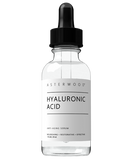
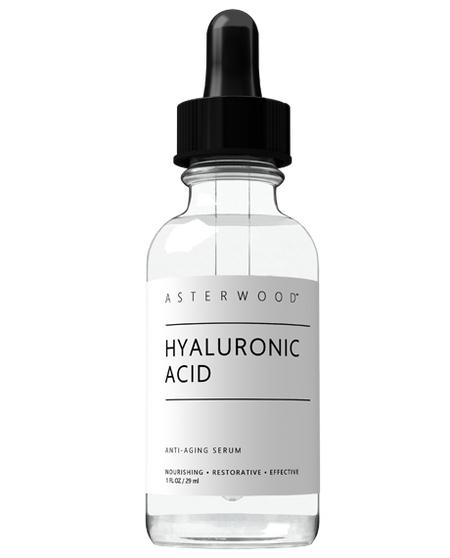
- Hydrate first. Layer Hyaluronic Acid Serum underneath. Hyaluronic Acid is a polysaccharide that draws in water, and a well-hydrated base helps actives feel more comfortable.
- Skip fragrance. Fragrance is a common irritant. Every Asterwood formula is fragrance-free.
- Keep exfoliants separate. Use strong AHAs and BHAs on different nights.
- Moisturize and wear SPF. Both help keep sensitive skin comfortable.
For full routine guidance, read how to use bakuchiol.
Rosacea, Eczema, and Active Flares
If you're managing a skin condition like rosacea or eczema, talk to your dermatologist before adding bakuchiol.
Introducing any new active during a flare generally isn't recommended. Your skin barrier is already stressed, and even gentle ingredients can sting. Once your skin is calm, a dermatologist can help you decide whether bakuchiol fits your routine.
What's in Asterwood's Bakuchiol Serum
A short, fragrance-free formula with zero retinol.
When your skin is sensitive, a shorter ingredient list means fewer variables. Here's everything in our Bakuchiol Serum:
Water, PEG-40 Castor Oil, Polysorbate 20, Glycerin, Benzoic Acid, Dehydroacetic Acid, Phenoxyethanol, Bakuchiol, Xanthan Gum, Sodium Phytate
- Bakuchiol: the plant-derived active for the look of fine lines, texture, and tone
- Glycerin: a humectant that pulls water into the top layers of skin
- Sodium Phytate: a plant-origin antioxidant that helps protect bakuchiol from breaking down
Always free of parabens, sulfates, fragrance, and dyes. Vegan and never tested on animals. Simple. Clean. Effective.
This article is for educational purposes and does not constitute medical advice. Consult a licensed dermatologist for concerns specific to your skin.