The short answer: Bakuchiol and retinol are different tools for the same job. In a 12-week randomized study, both visibly reduced wrinkles and hyperpigmentation by similar amounts, and bakuchiol caused less scaling and stinging [1]. Retinol has decades more research behind it [3]. If your skin tolerates retinol and you want the most-studied option, retinol is a solid choice. If retinol irritates you, or you want an active you can use in the morning, bakuchiol may be the gentler route.
What's the Difference Between Bakuchiol and Retinol?
Retinol is a form of vitamin A. Bakuchiol is a plant compound that isn't related to vitamin A at all, but it has shown similar visible results in a head-to-head study.
If you've been reading ingredient labels, you've probably seen bakuchiol described as "nature's retinol." That's a useful shorthand, and also a little misleading. The two molecules look nothing alike.
Retinol belongs to the retinoid family, the vitamin A ingredients that also include prescription tretinoin. Skin converts retinol into retinoic acid, the form that actually does the work. Retinoids are some of the most-researched ingredients in skincare [3].
Bakuchiol comes from the seeds and leaves of the babchi plant. It doesn't convert into retinoic acid. Yet in clinical studies, it has produced visible results similar to retinol's [1][2]. In plain terms: different molecule, similar visible results.
What the Head-to-Head Study Found
In the best-known comparison, bakuchiol and retinol showed similar visible improvements over 12 weeks, with no statistically significant difference between them, and bakuchiol caused less scaling and stinging.
The study was published in the British Journal of Dermatology and was randomized and double-blind, meaning participants were assigned to groups by chance and neither they nor the researchers knew who was using what [1]. That design matters, because it removes a lot of bias.
- Who: 44 adults with visible signs of sun-related aging
- Bakuchiol group: 0.5% bakuchiol cream, twice a day
- Retinol group: 0.5% retinol cream, once a day
- How long: 12 weeks
Both groups saw visible reductions in wrinkle surface area and hyperpigmentation. The difference between the groups was not statistically significant. The retinol group reported more facial scaling and stinging [1].
An earlier 12-week clinical study of a twice-daily bakuchiol formulation also reported visible improvements in lines, wrinkles, pigmentation, elasticity, and firmness, and found it well tolerated [2].
How Side Effects Compare
Retinol's side effects are well documented: redness, peeling, dryness, and stinging, especially in the first weeks. In the head-to-head study, bakuchiol caused less scaling and stinging.
If you've tried retinol, you may remember the adjustment period. Research on retinoids describes a common early reaction that includes redness, scaling, and a burning or stinging feeling, which often eases as skin adapts [3]. It's one of the main reasons people quit.
In the head-to-head study, scaling and stinging were reported more often in the retinol group [1]. That doesn't make bakuchiol reaction-proof. Any active ingredient can irritate someone, which is why a patch test still matters. For what to watch for, read bakuchiol side effects and sensitive skin.
Already dealing with a retinol reaction? Our guide to retinol burn and irritation covers why it happens and what to do next.
Morning, Night, and the Sun
Retinol is traditionally a nighttime ingredient. Bakuchiol can go on morning or night.
Retinol breaks down in light and is linked with increased sun sensitivity, which is why most guidance keeps it to evening routines [3]. Bakuchiol doesn't carry that same warning, so it can work in a morning routine too.
Either way, SPF every morning is non-negotiable. Sun exposure is behind much of the visible aging both ingredients are used for, so skipping sunscreen can undo the work.
A Quick Side-by-Side
Here's how the two compare on the questions people ask most.
| Bakuchiol | Retinol | |
|---|---|---|
| What it is | Plant-derived compound (babchi plant) | Vitamin A derivative (retinoid) |
| Visible results in the 12-week comparison | Reduced wrinkles and hyperpigmentation | Reduced wrinkles and hyperpigmentation |
| Scaling and stinging | Reported less often | Reported more often |
| When to use | Morning or night | Usually night only |
| Adjustment period | Not typical | Common in the first weeks |
| Depth of research | Growing; a handful of clinical studies | Decades of research |
Which One Is Right for You?
Choose based on how your skin handles actives, when you want to use them, and how much research depth matters to you.
Bakuchiol might be the better fit if:
- Retinol has left your skin red, flaky, or stinging
- You have sensitive or reactive skin
- You want an anti-aging step you can use in the morning
- You'd rather skip the adjustment period
Retinol might be the better fit if:
- Your skin already tolerates it well
- You want the ingredient with the longest research track record
- You're working with a dermatologist on a prescription retinoid plan
And if your main goal is expression lines or firmness rather than overall texture and tone, peptides are worth a look too. See retinol alternatives: bakuchiol, peptides, and what actually works.
How to Switch from Retinol to Bakuchiol
If your skin is comfortable, you can generally move straight from retinol to bakuchiol. If it's irritated, let it settle first. On a prescription retinoid, ask your dermatologist.
Switching is simple, but a few steps make it smoother:
- Check your skin. If it's red, peeling, or stinging from retinol, pause everything strong and wait until it feels normal again.
- Patch test. Apply a small amount of bakuchiol to your neck and check the area over 24 hours before your first full-face use.
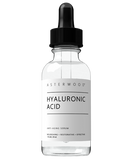
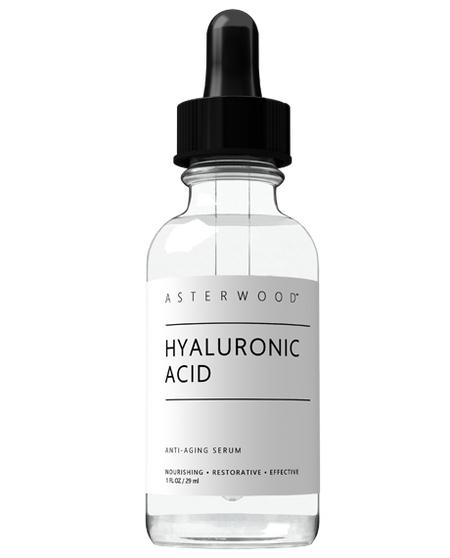
- Start with a hydrated base. Apply Hyaluronic Acid Serum first, then bakuchiol, then moisturizer.
- Use it consistently. Once or twice a day, every day.
- Judge it at 8 to 12 weeks. The clinical studies measured their results at 12 weeks [1][2].
If you're stepping away from a prescription retinoid, loop in the dermatologist who prescribed it.
What to Expect in the First 12 Weeks
Expect smoother-feeling skin within days, early visible changes around 2 to 4 weeks, and fuller results by 12 weeks.
Results may vary based on consistency, starting skin condition, and other factors.
If you're used to retinol, one thing will feel different: there's usually no rough adjustment phase at the start. That can make it seem like nothing is happening in week one. Stick with it. Visible change in fine lines and tone builds gradually, and the studies measured their results at 12 weeks, not two.
For the full week-by-week timeline, see the complete bakuchiol guide.
Who Should Talk to a Dermatologist First
Check with a dermatologist before switching if you're on a prescription retinoid, managing a skin condition, or dealing with an active flare.
Prescription retinoids are often part of a larger treatment plan, and changing them is a conversation worth having with the person who prescribed them. The same goes for conditions like rosacea or eczema. Introducing any new active during a flare generally isn't recommended.
Can You Use Both?
You can have both in your routine, but not in the same step. Alternate nights if you want to use both.
Stacking two anti-aging actives at once rarely adds much and raises the odds of irritation. If you want both, a simple pattern is retinol one night and bakuchiol the next. If your retinoid is prescription-strength, check with your dermatologist before adding anything.
Where Asterwood Stands
Asterwood doesn't sell retinol, so we have no commercial reason to push you one way. We make our Bakuchiol Serum for people who want to try bakuchiol instead of retinol.
It's a short, fragrance-free, vegan formula with zero retinol, and it pairs bakuchiol with glycerin for hydration.
Pair it with Hyaluronic Acid Serum underneath for a well-hydrated base. Simple. Clean. Effective.
This article is for educational purposes and does not constitute medical advice. Consult a licensed dermatologist for concerns specific to your skin.