The short answer: "Retinol burn" is the redness, stinging, peeling, and dryness many people get from retinoids, especially in the first weeks [1]. It usually comes from starting too strong or too often, or from stacking retinol with other strong actives. Pause, keep your routine gentle until skin calms, and restart slower. If retinol keeps irritating you, bakuchiol is an alternative that showed similar visible results to retinol, with less scaling and stinging, in a head-to-head study [2]. See a dermatologist for severe, blistering, or lasting reactions.
What Is Retinol Burn?
Retinol burn is a common name for irritation from retinoids: redness, a hot or stinging feeling, peeling, and tightness. It's a reaction, not a literal burn.
If your face felt raw a few days after starting a new retinol, you're far from alone. Research on retinoids describes a well-known early reaction that includes redness, scaling, and a burning or stinging sensation [1]. It's a common reason people give up on retinol.
What it usually looks like:
- Pink or red patches, often around the nose, mouth, and chin
- Flaking or peeling
- A tight, dry feeling
- Stinging when you apply other products, even gentle ones
Why Retinol Irritates Skin
Retinol speeds up how quickly skin renews its surface, and skin needs time to adjust to that pace. Too much, too soon, is the usual trigger.
Retinoids are powerful because they change how skin cells behave. That same power is what causes the adjustment period [1]. The most common triggers:
- Starting too strong: a high concentration before your skin is used to it
- Using it too often: jumping straight to every night
- Stacking actives: layering retinol with exfoliating acids or other strong actives in the same routine
- Skipping moisturizer: a dry, compromised surface reacts faster
- Sun without SPF: retinoids are linked with increased sun sensitivity [1]
What Are the "Retinol Uglies"?
The "retinol uglies" is the nickname for the rough adjustment weeks: dryness, flaking, redness, and sometimes breakouts.
It's worth knowing this is a phase many people go through, not a sign the product is "working harder." Irritation isn't the goal. The goal is visible results your skin can actually tolerate long term.
How to Calm Your Routine Right Now
Pause retinol, strip your routine back to the basics, and let your skin settle before you add anything new.
These are general best practices, not a treatment plan. If your reaction is severe, see the note below first.
- Pause the retinol. Give your skin a break until it feels comfortable again.
- Drop other actives. Set aside exfoliating acids, scrubs, and other strong treatments for now.
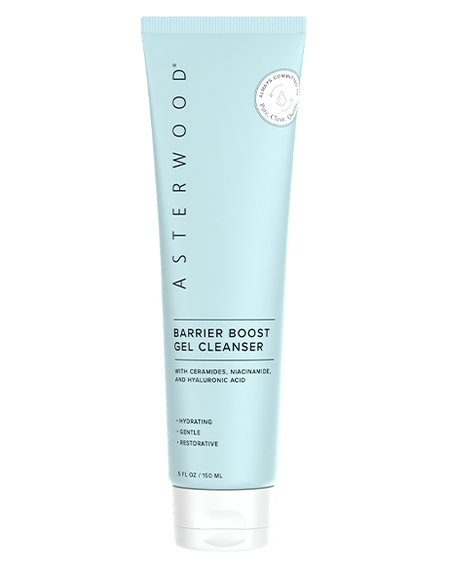
- Cleanse gently. Use lukewarm water and a non-stripping cleanser, like the Barrier Boost Gel Cleanser.
- Moisturize. A simple, fragrance-free moisturizer helps skin hold onto water.
- Wear SPF. Every morning, even on cloudy days.
When to get help: see a dermatologist for blistering, oozing, severe pain, a rash that spreads, or irritation that isn't improving after you stop the product. If you have swelling of the face, lips, or eyes, or any trouble breathing, get medical help right away.
Why Retinol and Sun Don't Mix
Retinoids are linked with increased sun sensitivity, so unprotected sun exposure can make irritated skin feel worse.
This is one reason retinol is usually a nighttime ingredient [1]. If your skin is already red or peeling, sun can turn mild irritation into something more uncomfortable. Wear a broad-spectrum SPF every morning, and reapply if you're outdoors for a long stretch. That habit protects your skin no matter which actives you use.
Why Hydration Matters While Skin Settles
Irritated skin loses water more easily. Keeping it hydrated helps it feel comfortable while it settles.
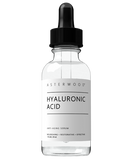
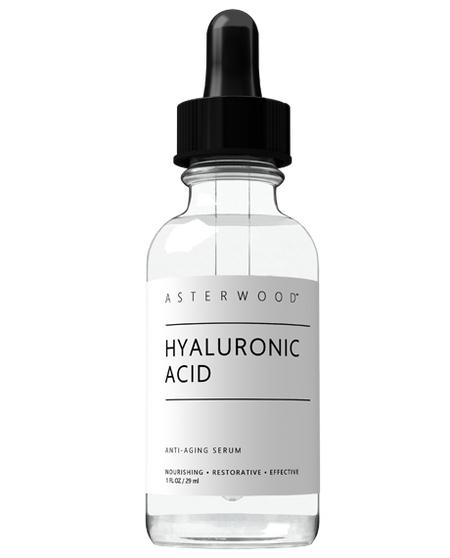
When your skin's outer layer is stressed, it holds onto water less well, which is part of why irritated skin feels tight and dry. Good skin starts with hydration. Hyaluronic Acid is a polysaccharide that draws in and holds onto water. Once the stinging has settled, a simple, fragrance-free Hyaluronic Acid layer under your moisturizer is an easy way to put hydration back into a stripped-down routine.
How to Restart Retinol (If You Want To)
Go lower and slower: fewer nights a week, a smaller amount, and moisturizer every time.
Plenty of people get back on retinol successfully once they slow down. Research on retinoids supports starting with lower strengths and less frequent use to improve tolerance [1]. A gentle restart:
- Use a pea-sized amount for your whole face
- Start two or three nights a week, then build slowly
- Apply to dry skin, and moisturize after
- Keep other strong actives on different nights
If you're using a prescription retinoid, follow your dermatologist's plan instead.
Gentler Options if Retinol Isn't for You
If retinol keeps irritating your skin, bakuchiol is the alternative with the most direct head-to-head research against retinol. Peptides are another route, depending on your goal.
Some skin just doesn't get along with retinol, no matter how slowly you go. That's not a failure on your part. There are other routes to visible results.
Bakuchiol is a plant-derived compound that isn't a retinoid. In a 12-week randomized, double-blind study, it visibly reduced wrinkles and hyperpigmentation by similar amounts to retinol, and people using it reported less scaling and stinging [2]. It also doesn't carry retinol's sun-sensitivity warning, so it can be used morning or night. For the full comparison, read bakuchiol vs. retinol.
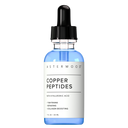
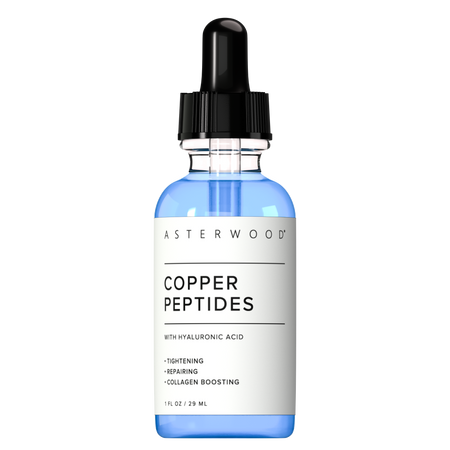
Peptides like Matrixyl 3000, Argireline, and Copper Peptides target the look of firmness and expression lines in a different way. See retinol alternatives for which fits which goal.
Switching to Bakuchiol After a Retinol Reaction
Let your skin calm down completely first. Then patch test bakuchiol and introduce it on its own.
Starting any new active on already-irritated skin is a bad idea, even a gentle one. Once your skin feels normal again:
- Patch test a small amount on your neck.
- If your skin is comfortable, apply Hyaluronic Acid Serum to clean skin, then 2 to 3 drops of Bakuchiol Serum, our retinol alternative.
- Follow with moisturizer.
- Add other actives back one at a time, not all at once.
Bakuchiol isn't reaction-proof. Any active can bother someone. If you notice persistent redness or stinging, stop and check in with a dermatologist. More on that in bakuchiol side effects and sensitive skin.
This article is for educational purposes and does not constitute medical advice. Consult a licensed dermatologist for concerns specific to your skin.
Argireline® is a registered trademark of Lubrizol Advanced Materials (Lipotec). Matrixyl® 3000 is a registered trademark of Sederma.