Clinical Trial
The complete guide to
Bakuchiol: The Retinol Alternative Explained
A plant-derived retinol alternative, studied head-to-head against retinol. Here's what bakuchiol does, what to expect, and how to use it for visibly smoother, more even-looking skin.
What it is
What Bakuchiol Is
Short answer
Bakuchiol ("buh-KOO-chee-all") is a plant-derived compound from the babchi plant. In a head-to-head study, it showed visible results similar to retinol's for fine lines and uneven tone, without being a form of retinol.
If you've wanted the results people talk about with retinol but your skin doesn't handle it well, bakuchiol is probably the ingredient that keeps coming up in your search. There's a good reason for that.
Bakuchiol comes from the seeds and leaves of Psoralea corylifolia, a plant known as babchi. It isn't vitamin A, and it isn't a retinoid (the family of vitamin A ingredients that includes retinol and prescription tretinoin). It's a different molecule entirely.
What makes it interesting is how it behaves. Even though the two molecules look nothing alike, bakuchiol has produced visible results similar to retinol's in clinical studies [1][2].
That's why it's called a "functional" retinol alternative. It isn't a copy of retinol. It's a different ingredient that reaches similar visible results.
What it does
Five Visible Benefits of Bakuchiol
Short answer
Bakuchiol visibly softens fine lines, refines texture, evens the look of skin tone, and supports a firmer-looking complexion. In a head-to-head study, it also caused less scaling and stinging than retinol.
Here's what the research and our formula are built around.
1. Visibly softer-looking fine lines and wrinkles
In a 12-week randomized, double-blind study (meaning neither the participants nor the researchers knew who was using what), bakuchiol visibly reduced wrinkle surface area, with no statistically significant difference from retinol [1].
2. Smoother, more refined texture
Rough patches and uneven surface texture are often the first thing people notice improving. The Bakuchiol Serum pairs the active with glycerin, a humectant that pulls water into the top layers of skin, so skin feels softer from the first few uses.
3. A more even-looking tone
The same study found bakuchiol visibly reduced the appearance of hyperpigmentation (the darker spots and patches that build up with sun exposure and time) [1].
4. A firmer-looking complexion
An earlier 12-week clinical study of a twice-daily bakuchiol formulation reported visible improvements in the look of elasticity and firmness, along with lines and pigmentation [2].
5. Less scaling and stinging than retinol
In the head-to-head study, people using retinol reported more facial scaling and stinging than people using bakuchiol [1]. That tolerability is a big reason many people make the switch.
Results may vary.
Bakuchiol vs. retinol
Bakuchiol vs. Retinol: What the Study Actually Found
Short answer
In the best-known head-to-head study, bakuchiol and retinol produced similar visible improvements in wrinkles and hyperpigmentation over 12 weeks, and bakuchiol caused less scaling and stinging.
If you're weighing the two, you deserve to know what the evidence actually says, not just the headline.
The study everyone cites was published in the British Journal of Dermatology [1]. Here's the setup, in plain English:
- 44 adults with signs of sun-related aging
- One group used 0.5% bakuchiol cream twice a day
- The other used 0.5% retinol cream once a day
- Researchers tracked visible changes over 12 weeks using facial photography analysis
Both groups saw visible reductions in wrinkle surface area and hyperpigmentation. The difference between the two groups wasn't statistically significant, which means the study couldn't tell them apart on results. The retinol group did report more scaling and stinging.
The honest limits
One well-designed study of 44 people is meaningful. It's also one study. Retinoids have been researched for decades and have a far deeper evidence base [4]. So the fair takeaway is this: bakuchiol is a clinically studied option that showed similar results to retinol in one direct comparison, not a proven one-for-one replacement.
For a full side-by-side, read bakuchiol vs. retinol: which is right for your skin.
What to expect
The Bakuchiol Results Timeline
Short answer
Expect smoother, more hydrated-feeling skin within days, early visible changes in fine lines and tone around 2 to 4 weeks, and fuller results at 8 to 12 weeks of consistent use. Results may vary.
If you've given up on a product after two weeks, you're not alone. Bakuchiol rewards patience, and knowing the timeline helps you stick with it.
- Days 1–3: Skin feels noticeably smoother and more hydrated.
- Week 1: Improved softness and early texture refinement.
- Weeks 2–4: The look of fine lines and uneven tone begins to visibly improve.
- Week 8: The look of wrinkles continues to visibly soften, and texture looks more refined.
- Week 12: Continued improvement in the look of firmness and tone. This is the point where the clinical studies measured their final results [1][2].
Results may vary based on consistency, starting skin condition, and other factors.
The single biggest factor is consistency. Daily use for 12 weeks will tell you far more than a few scattered weeks.
How to use it
How to Add Bakuchiol to Your Routine
Short answer
Apply 2 to 3 drops to clean skin, morning, night, or both. Layer Hyaluronic Acid Serum underneath for extra hydration, follow with moisturizer, and finish mornings with SPF.
If you're new to actives, this is one of the easiest to start. Most people can start with twice-daily use. If your skin is reactive, start once a day and build up.
- Patch test first. Apply a small amount to your neck and check the area over 24 hours before your first full-face application.
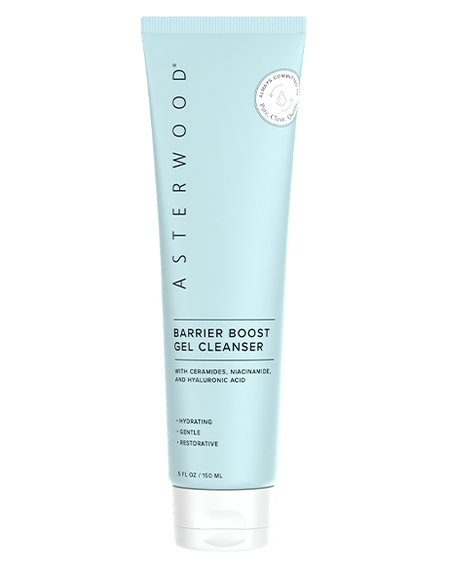
- Cleanse. Start with clean skin. The Barrier Boost Gel Cleanser cleans without stripping.
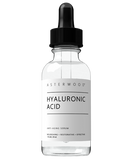
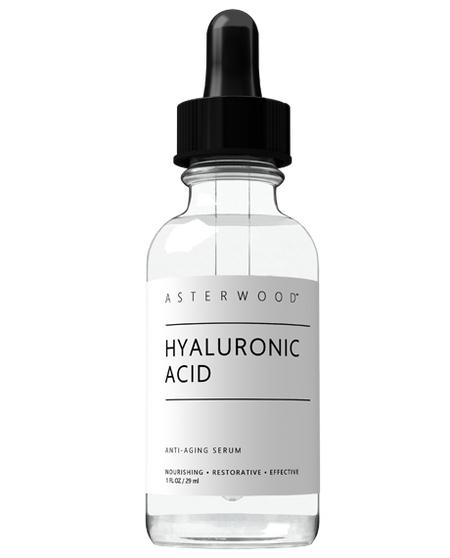
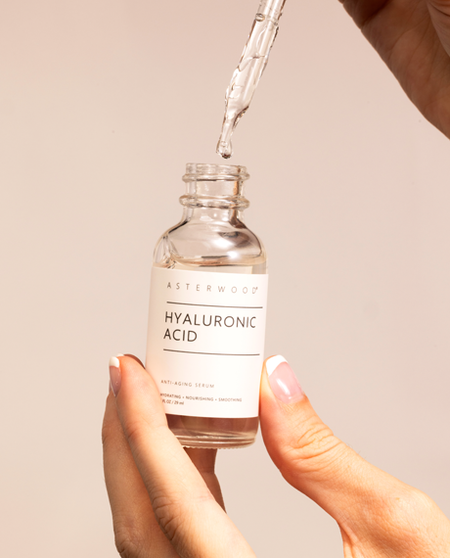
- Hydrate. Apply Hyaluronic Acid Serum first. Good skin starts with hydration: Hyaluronic Acid is a polysaccharide that draws in and holds moisture, and actives layered over a well-hydrated base go on more comfortably.
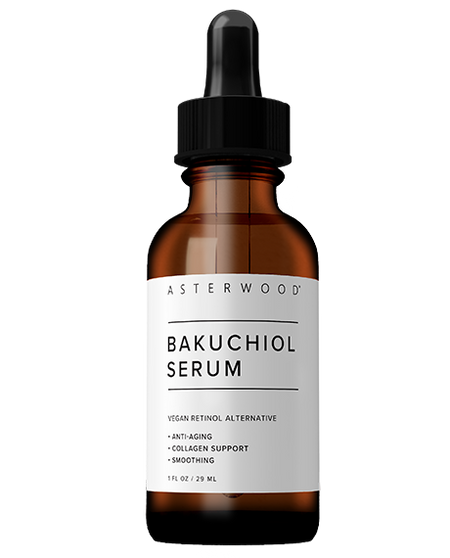
- Apply bakuchiol. Press 2 to 3 drops of Bakuchiol Serum into your face and neck.
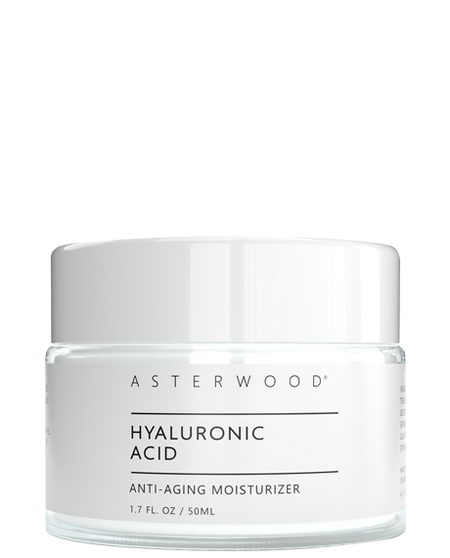
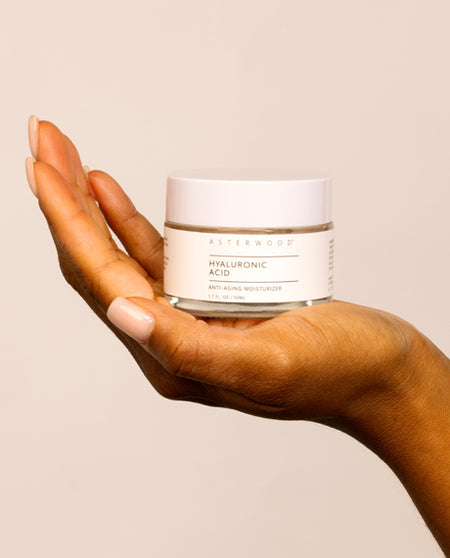
- Moisturize. Seal everything in with the Hyaluronic Acid Moisturizer.
- SPF in the morning. Every morning, whatever actives you use.
For a step-by-step AM and PM routine, plus how to fit in Vitamin C and niacinamide, read how to use bakuchiol.
Layering
What Bakuchiol Works With (and What It Doesn't)
Short answer
Bakuchiol pairs well with Hyaluronic Acid, niacinamide, and peptide serums. Keep it out of the same step as strong AHAs/BHAs and retinol.
If you already have a routine you like, you don't need to rebuild it around bakuchiol. It slots in.
Pairs well with
- Hyaluronic Acid: layer it underneath for a hydrated base
- Niacinamide: a gentle, compatible partner for tone and texture
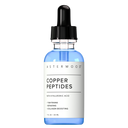
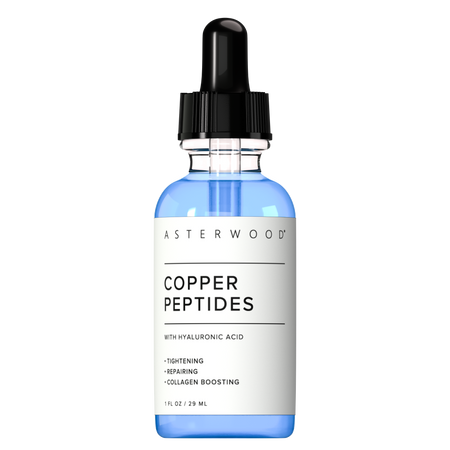
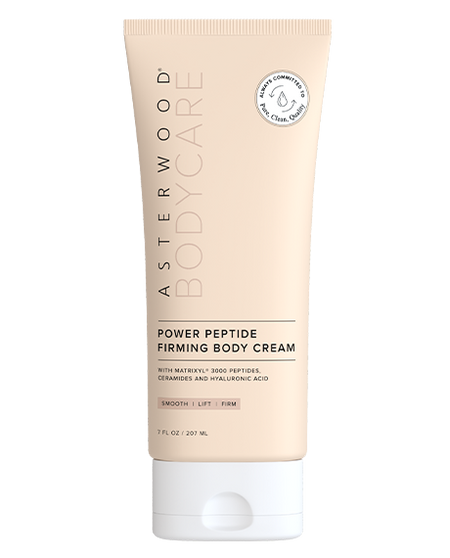
- Peptides: Matrixyl 3000, Argireline, and Copper Peptides all fit the same routine. Alternate nights for the simplest approach
- Vitamin C: use it in the morning and bakuchiol at night
Keep in separate steps
- Strong AHAs/BHAs: exfoliating acids work at a lower pH and can make skin more reactive, so use them on a different night
- Retinol: don't stack the two. If you use both, alternate nights
Building a peptide routine too? See the Matrixyl 3000 guide and the Copper Peptides guide.
Is it for you?
Who Bakuchiol Is For
Short answer
Bakuchiol suits people who want visible anti-aging results with less irritation, people who've struggled with retinol, and anyone who wants one active they can use morning or night.
It's a strong fit if:
- Retinol left your skin red, flaky, or stinging
- You have sensitive or reactive skin and want a gentler place to start
- You want an anti-aging step you can use in the morning
- You prefer short, fragrance-free ingredient lists
Sensitive skin is where bakuchiol has a real edge. Beyond the head-to-head study, a clinical evaluation run specifically in people with sensitive skin found a bakuchiol moisturizer was well tolerated [3]. That product contained other ingredients too, so it's supportive evidence rather than the last word. For more, read bakuchiol side effects and sensitive skin.
It's worth talking to a dermatologist first if you're managing an active skin condition, such as an eczema or rosacea flare, or if you're already using a prescription retinoid. Introducing a new active during a flare generally isn't recommended.
And if your main concern is expression lines or firmness, peptides might be the better first step. Our guide to retinol alternatives breaks down which one fits which goal.
Shopping guide
What to Look for in a Bakuchiol Serum
Short answer
Look for a short, fragrance-free ingredient list, an antioxidant that helps keep it stable, and a price that makes daily use for 12 weeks realistic.
If you're comparing bottles on a shelf, "bakuchiol" on the front label doesn't tell you much. Here's what's worth checking on the back.
- A short ingredient list. Fewer ingredients means fewer things that could irritate skin, and it's easier to see what's actually doing the work.
- No fragrance. Fragrance is one of the most common skincare irritants. If you're choosing bakuchiol because it's gentle, fragrance works against you.
- A stabilizing antioxidant. Like many actives, bakuchiol can oxidize, meaning it breaks down with exposure to air over time. An antioxidant in the formula helps protect it.
- No hidden retinol. Some products combine bakuchiol with retinol. That's a valid formula choice, but it isn't a retinol-free product. Check the list if avoiding retinol is the point.
- A price you can keep up with. The published results came from 12 weeks of consistent use. A serum you'll ration won't get you there.
Asterwood's Bakuchiol Serum was built around that checklist: a short, fragrance-free ingredient list, zero retinol, and sodium phytate to protect the active.
Inside the Bakuchiol Serum: Water, PEG-40 Castor Oil, Polysorbate 20, Glycerin, Benzoic Acid, Dehydroacetic Acid, Phenoxyethanol, Bakuchiol, Xanthan Gum, Sodium Phytate. Sodium phytate is a plant-origin antioxidant that helps protect bakuchiol from breaking down, so the formula stays stable. Always free of parabens, sulfates, fragrance, and dyes. Never tested on animals.
Why Bakuchiol Earns Its Place
Softer-looking lines
Studied for visibly softer-looking fine lines and wrinkles.
Refined texture
Helps skin feel smoother and softer.
Even-looking tone
Helps even the look of skin tone.
Morning or night
No retinol-style sun-sensitivity warning. Just finish with SPF.
Continue reading
More on Bakuchiol
Ingredient Comparison
Retinol Alternatives: Bakuchiol, Peptides & What Actually Works
Sensitive Skin Guide
Bakuchiol Side Effects: Is It Right for Sensitive Skin?
Routine Building
How to Use Bakuchiol: Routine, Vitamin C, Niacinamide & Retinol
Sensitive Skin Guide
Retinol Burn & Irritation: Why It Happens and Gentler Options
Ingredient Comparison
Bakuchiol vs. Retinol: Which Is Right for Your Skin?
Frequently asked
Common Questions
Bakuchiol comes from the seeds and leaves of the babchi plant (Psoralea corylifolia). It is a plant-derived compound, not a form of vitamin A, and it contains zero retinol.
In a 12-week randomized, double-blind study, bakuchiol and retinol produced similar visible improvements in wrinkle surface area and hyperpigmentation, with no statistically significant difference between them. Retinol still has decades more research behind it, so think of bakuchiol as a clinically studied option rather than an exact replacement.
Skin often feels smoother and more hydrated within a few days. Visible changes in fine lines and tone typically start around 2 to 4 weeks, and the published study measured its results at 12 weeks. Results vary based on consistency, starting skin condition, and other factors.
Yes. Bakuchiol does not carry retinol's well-known sun-sensitivity warning, so you can use it morning, night, or both. Always finish your morning routine with SPF.
Don't layer them in the same step. If you want both in your routine, alternate nights, and check with your dermatologist first if your retinoid is prescription-strength.
Yes. The simplest split is Vitamin C in the morning and bakuchiol at night, so each active gets its own step.
In a head-to-head study, bakuchiol caused less scaling and stinging than retinol, and a clinical evaluation in people with sensitive skin found a bakuchiol moisturizer was well tolerated. Any new active can cause a reaction, so patch test on your neck before your first full application.
Bakuchiol is not known for the adjustment period many people go through with retinol. If you notice persistent redness, stinging, or breakouts after starting it, stop using it and check in with a dermatologist.
Yes. Bakuchiol fits into the same routine as peptide serums like Matrixyl 3000, Argireline, and Copper Peptides. The simplest approach is to alternate nights: peptides one night, bakuchiol the next.
No. The Bakuchiol Serum is a short formula built around bakuchiol and glycerin. For extra hydration, apply Hyaluronic Acid Serum underneath it.
The science
Research Cited
Retinoids in the treatment of skin aging: an overview of clinical efficacy and safety
View studyClinical Trial
Bakuchiol: a retinol-like functional compound revealed by gene expression profiling and clinically proven to have anti-aging effects
View studyClinical Trial
Clinical Evaluation of a Nature-Based Bakuchiol Anti-Aging Moisturizer for Sensitive Skin
View studyReferences
- Dhaliwal S, Rybak I, Ellis SR, et al. (2019). Prospective, randomized, double-blind assessment of topical bakuchiol and retinol for facial photoageing. British Journal of Dermatology, 180(2), 289–296.
- Chaudhuri RK, Bojanowski K (2014). Bakuchiol: a retinol-like functional compound revealed by gene expression profiling and clinically proven to have anti-aging effects. International Journal of Cosmetic Science, 36(3), 221–230.
- Draelos ZD, Gunt H, Zeichner J, Levy S (2020). Clinical Evaluation of a Nature-Based Bakuchiol Anti-Aging Moisturizer for Sensitive Skin. Journal of Drugs in Dermatology, 19(12), 1181–1183.
- Mukherjee S, Date A, Patravale V, Korting HC, Roeder A, Weindl G (2006). Retinoids in the treatment of skin aging: an overview of clinical efficacy and safety. Clinical Interventions in Aging, 1(4), 327–348.
Ready to Try Bakuchiol?
Bakuchiol Serum: a short, fragrance-free formula with zero retinol. Made for morning or night. Simple. Clean. Effective.
This article is for educational purposes and does not constitute medical advice. Consult a licensed dermatologist for concerns specific to your skin.
Argireline® is a registered trademark of Lubrizol Advanced Materials (Lipotec). Matrixyl® 3000 is a registered trademark of Sederma.