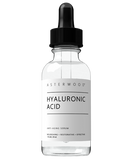
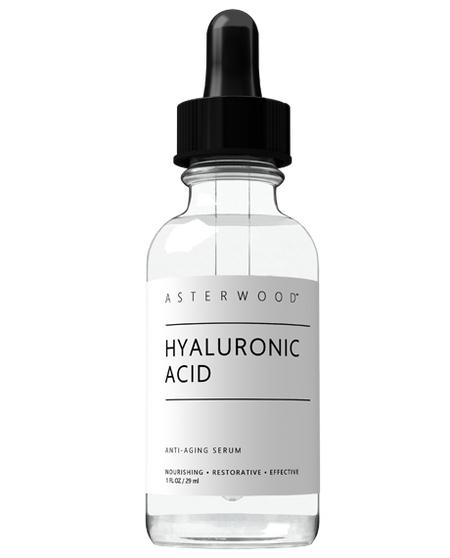
The short answer: For oily skin, yes. Oily and breakout-prone skin still needs hydration, and Hyaluronic Acid delivers it without adding oil. Asterwood's Hyaluronic Acid Serum is a lightweight, water-based formula with no added oils. For acne, no: Hyaluronic Acid isn't an acne treatment. Think of it as the hydrating step that keeps a breakout-prone routine comfortable, and see a dermatologist for acne itself.
Does Oily Skin Need Hydration?
Yes. Oil and water aren't the same thing. Skin can be oily and still be low on water.
If your skin is shiny by lunchtime, skipping hydration can feel like the logical move. But oil (sebum) and water do different jobs in skin. You can have plenty of one and not enough of the other. Skin that's oily on the surface can still feel tight, look dull, or show fine dehydration lines.
That's where Hyaluronic Acid fits. It's a humectant, meaning it draws in and holds onto water. It adds hydration without adding oil.
Signs Your Oily Skin Is Low on Water
If your skin is shiny but also feels tight, looks dull, or shows fine lines, it may be low on water even though it's high on oil.
Oily skin that needs hydration often looks like this:
- Shine on the surface, but a tight or uncomfortable feeling underneath
- Flaky patches alongside oily areas
- Fine lines that show up more on dry days
- Makeup that looks patchy or separates
Harsh cleansers and drying products can make this worse. That's where a lightweight hydrator helps.
Why Hyaluronic Acid Works for Oily Skin
Hyaluronic Acid is water-based, weightless, and absorbs quickly, so it hydrates without a heavy or greasy finish.
A lot of hydrating products rely on rich oils and butters. Those can feel heavy on oily skin. A simple Hyaluronic Acid serum is different:
- Oil-free hydration: water-based, with no added oils
- Weightless feel: absorbs fast, with no greasy residue
- No heavy butters: nothing rich sitting on the surface
- Fragrance-free: one less potential irritant
Our Hyaluronic Acid Serum keeps it simple: Hyaluronic Acid in a five-ingredient, fragrance-free formula with no added oils.
Is Hyaluronic Acid Good for Acne?
Hyaluronic Acid isn't an acne treatment. It's a hydrator that can be part of a routine for breakout-prone skin.
We want to be clear about this, because it's easy to find claims online that stretch further. Hyaluronic Acid doesn't clear breakouts. What it can do is add lightweight hydration to a routine that's often drying.
Many products people use for breakouts can leave skin dry and tight. A hydrating step can help your skin feel more comfortable while you use them. If you're using a prescription acne treatment, ask your dermatologist how to fit hydration into your routine.
For acne that's persistent, painful, or leaving marks, see a dermatologist. That's a job for a professional, not a serum.
How to Build an Oily-Skin Routine with Hyaluronic Acid
Keep it light: gentle cleanser, Hyaluronic Acid Serum, a lightweight gel moisturizer, and SPF.
Morning
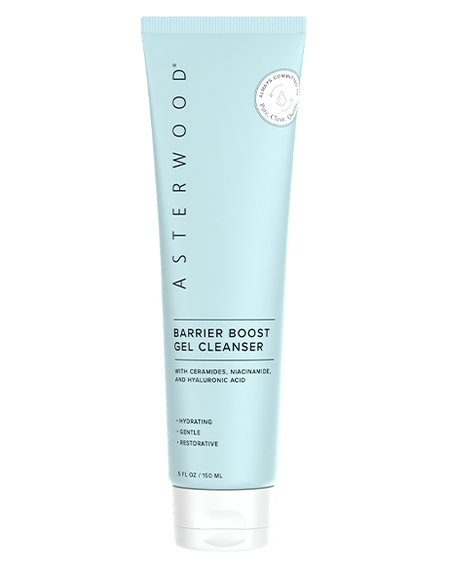
- Barrier Boost Gel Cleanser
- Hyaluronic Acid Serum
- Cica Peptide Barrier Gel Cream
- SPF (look for a lightweight formula labeled non-comedogenic)
Night
- Barrier Boost Gel Cleanser
- Hyaluronic Acid Serum
- Your treatment step, if you use one
- Cica Peptide Barrier Gel Cream
Choosing a Moisturizer for Oily Skin
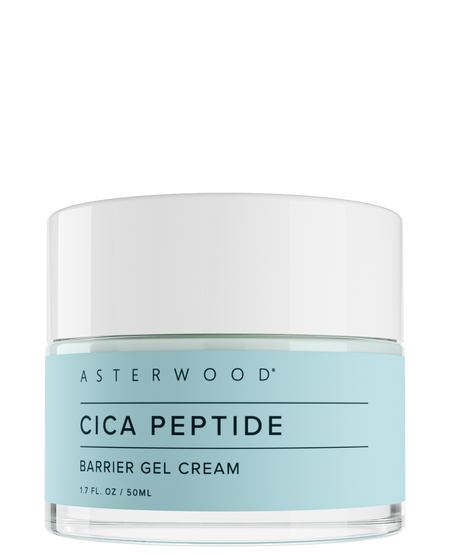
Go for a lightweight gel cream. Asterwood's Cica Peptide Barrier Gel Cream is made for oily, combination, and breakout-prone skin.
Even oily skin benefits from a moisturizer on top of Hyaluronic Acid. It helps keep hydration in. The trick is choosing the right texture.
The Cica Peptide Barrier Gel Cream is a fast-absorbing gel cream with niacinamide, ceramide NP, Centella Asiatica, and a peptide. It helps balance the look of shine, refine the look of pores, and calm visible redness, without a greasy finish.
Our richer Hyaluronic Acid Moisturizer is better suited to normal and dry skin. It's not the best match for very oily or breakout-prone skin.
Combination Skin
Use Hyaluronic Acid all over, then adjust your moisturizer by zone.
If you're oily through the T-zone and dry on the cheeks, Hyaluronic Acid works everywhere. Where you can tailor is the next step: a light gel cream on oilier areas, and a richer moisturizer on drier ones. Many people find one lightweight moisturizer is enough in summer and switch to a richer one on dry areas in winter. See how to use hyaluronic acid serum for climate tips.
Pairing Hyaluronic Acid with Other Actives for Oily Skin
Hyaluronic Acid pairs with most actives used for oily skin, including niacinamide and retinoids.
- Niacinamide: helps refine the look of pores and shine. It's in the Barrier Boost Gel Cleanser and the Cica Peptide Barrier Gel Cream.
- Retinol: pairs well with Hyaluronic Acid. Read can you use hyaluronic acid with retinol.
- Exfoliating acids: Hyaluronic Acid can be used on the same night as an exfoliant to add hydration. Moisturize afterward.
Common Oily-Skin Mistakes
The biggest mistakes are over-cleansing, skipping moisturizer, and using too many drying products at once.
- Washing too often or too hard: twice a day with a gentle cleanser is enough for most people
- Skipping moisturizer: even oily skin needs something to hold hydration in
- Stacking drying products: multiple strong actives at once can leave skin irritated
- Scrubbing: rough scrubs can leave skin red and uncomfortable
- Skipping SPF: choose a lightweight formula you'll actually wear
When to See a Dermatologist
See a dermatologist for persistent, painful, or scarring breakouts, or if a product makes your skin worse.
A good hydrating routine supports your skin, but it isn't a substitute for medical care. If breakouts keep coming back, leave marks, or hurt, a dermatologist can recommend treatment. And if any new product causes new breakouts or irritation, stop using it.
For more on Hyaluronic Acid itself, go back to the complete hyaluronic acid guide. Simple. Clean. Effective.
This article is for educational purposes and does not constitute medical advice. Consult a licensed dermatologist for concerns specific to your skin.