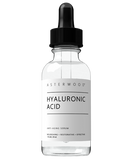
The short answer: Yes. Hyaluronic Acid and retinol pair well because they do different jobs. Retinol targets visible signs of aging, and Hyaluronic Acid adds hydration. Retinol commonly causes dryness and irritation, especially early on [1], so a hydrating layer helps keep skin comfortable. The usual order is Hyaluronic Acid Serum, then retinol, then moisturizer. Always follow your retinol's directions, and wear SPF every morning.
Why People Pair Hyaluronic Acid with Retinol
Retinol can leave skin dry and irritated. Hyaluronic Acid adds hydration, which helps skin feel more comfortable while you use it.
If you've started retinol and your face feels tight, flaky, or sensitive, that's a common experience. Research on retinoids describes an early reaction that often includes redness, scaling, and dryness [1].
Hyaluronic Acid doesn't change how retinol works, and it won't stop every reaction. What it does is add water back into skin. Hyaluronic Acid is a polysaccharide that draws in and holds onto water. A well-hydrated base makes a demanding ingredient like retinol easier to live with.
What Retinol Does, and Why It Can Irritate
Retinol is a vitamin A ingredient that targets visible signs of aging. Its early side effects are well documented: redness, peeling, dryness, and stinging.
Retinol belongs to the retinoid family, one of the most-researched ingredient groups for visibly aging skin [1]. That strength comes with a trade-off. Retinoids change how skin cells behave, and skin often needs a few weeks to adjust. During that time, dryness and flaking are common [1].
That's exactly the gap Hyaluronic Acid fills. It doesn't do retinol's job. It helps with the dryness that often comes along with it.
Do They Work Against Each Other?
They're generally considered an easy pairing. Hyaluronic Acid is a hydrator, not an exfoliant or resurfacing active, so it fits comfortably alongside retinol for most people.
Some pairings are tricky, like retinol with strong exfoliating acids, which can overwhelm skin together. Hyaluronic Acid isn't one of them. Follow your retinol's directions, and Hyaluronic Acid can sit alongside it in the same routine.
Which Goes First?
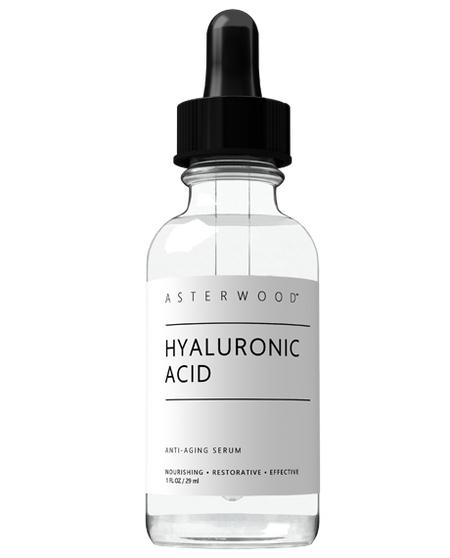
The most common order is Hyaluronic Acid Serum, then retinol, then moisturizer. Some people with sensitive skin apply retinol first on dry skin, then Hyaluronic Acid and moisturizer after.
There isn't one right answer here, and your retinol's directions should come first. Two common approaches:
Option 1: Thinnest to thickest
- Cleanse
- Hyaluronic Acid Serum
- Retinol
- Moisturizer
This follows the standard layering rule and works well for most people.
Option 2: Retinol first, for sensitive skin
- Cleanse, then wait until skin is fully dry
- Retinol
- Hyaluronic Acid Serum
- Moisturizer
Some people with sensitive skin prefer this order because it puts the hydrating layers on top of the retinol. If you're using a prescription retinoid, follow your dermatologist's instructions.
A Simple Retinol Night Routine
Keep retinol nights simple: cleanser, Hyaluronic Acid, retinol, moisturizer. Skip other strong actives on those nights.
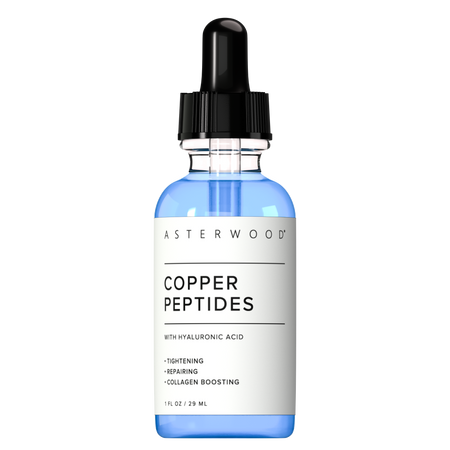
On nights without retinol, you can use a peptide serum in that step instead. Asterwood's guidance for its Matrixyl 3000 and Argireline serums is to alternate them with retinol on different evenings rather than layering them. Read hyaluronic acid and peptides for the full setup.
Use Hyaluronic Acid on Your Rest Nights Too
On nights you skip retinol, keep Hyaluronic Acid in your routine. Consistent hydration helps skin stay comfortable between retinol nights.
Most people don't use retinol every night, especially at first. On the off nights, a simple routine of cleanser, Hyaluronic Acid Serum, and moisturizer gives skin a steady supply of hydration. If you use a peptide serum, rest nights are a good time for it.
Prescription Retinoids
If you use a prescription retinoid, ask your dermatologist how to fit Hyaluronic Acid into your routine.
Prescription retinoids, like tretinoin, are stronger than over-the-counter retinol and are often part of a treatment plan. Hydration usually fits alongside them, but the order and timing should come from the person who prescribed it.
Don't Forget Morning SPF
Retinoids are linked with increased sun sensitivity, so SPF every morning is non-negotiable.
That sun sensitivity [1] is one reason retinol is usually a nighttime ingredient. In the morning, keep it simple: cleanse, Hyaluronic Acid Serum for hydration, moisturizer, and a broad-spectrum SPF.
Tips for Keeping Skin Comfortable
Start retinol slowly, moisturize every time, and keep other strong actives on different nights.
- Start slow: two or three nights a week, then build up as your skin allows
- Use a pea-sized amount of retinol for the whole face
- Hydrate and moisturize every time you use it
- Keep exfoliating acids separate: don't use them on retinol nights
- Stop if it's too much: if redness, peeling, or stinging doesn't settle, pause and check in with a dermatologist
If Retinol Isn't Working for You
If retinol keeps irritating your skin even with extra hydration, a retinol alternative like bakuchiol may be a better fit.
Some skin just doesn't get along with retinoids. That's not a failure. If you'd still like an anti-aging step, bakuchiol is worth a look. Bakuchiol is a plant-derived compound. In a small 12-week randomized study, it improved the look of wrinkles and hyperpigmentation about as much as retinol, with less reported scaling and stinging [2]. For more, see the bakuchiol guide.
A quick disclosure: Asterwood doesn't sell retinol. We do make a retinol alternative, Bakuchiol Serum, plus a Hyaluronic Acid Serum that fits under most routines, retinol or not. Simple. Clean. Effective.
For more on application, read how to use hyaluronic acid serum, or go back to the complete hyaluronic acid guide.
This article is for educational purposes and does not constitute medical advice. Consult a licensed dermatologist for concerns specific to your skin.
Argireline® is a registered trademark of Lubrizol Advanced Materials (Lipotec). Matrixyl® 3000 is a registered trademark of Sederma.